
CRRC / Clean-energy equipment
18-Crane Package for a CRRC Clean-Energy Base
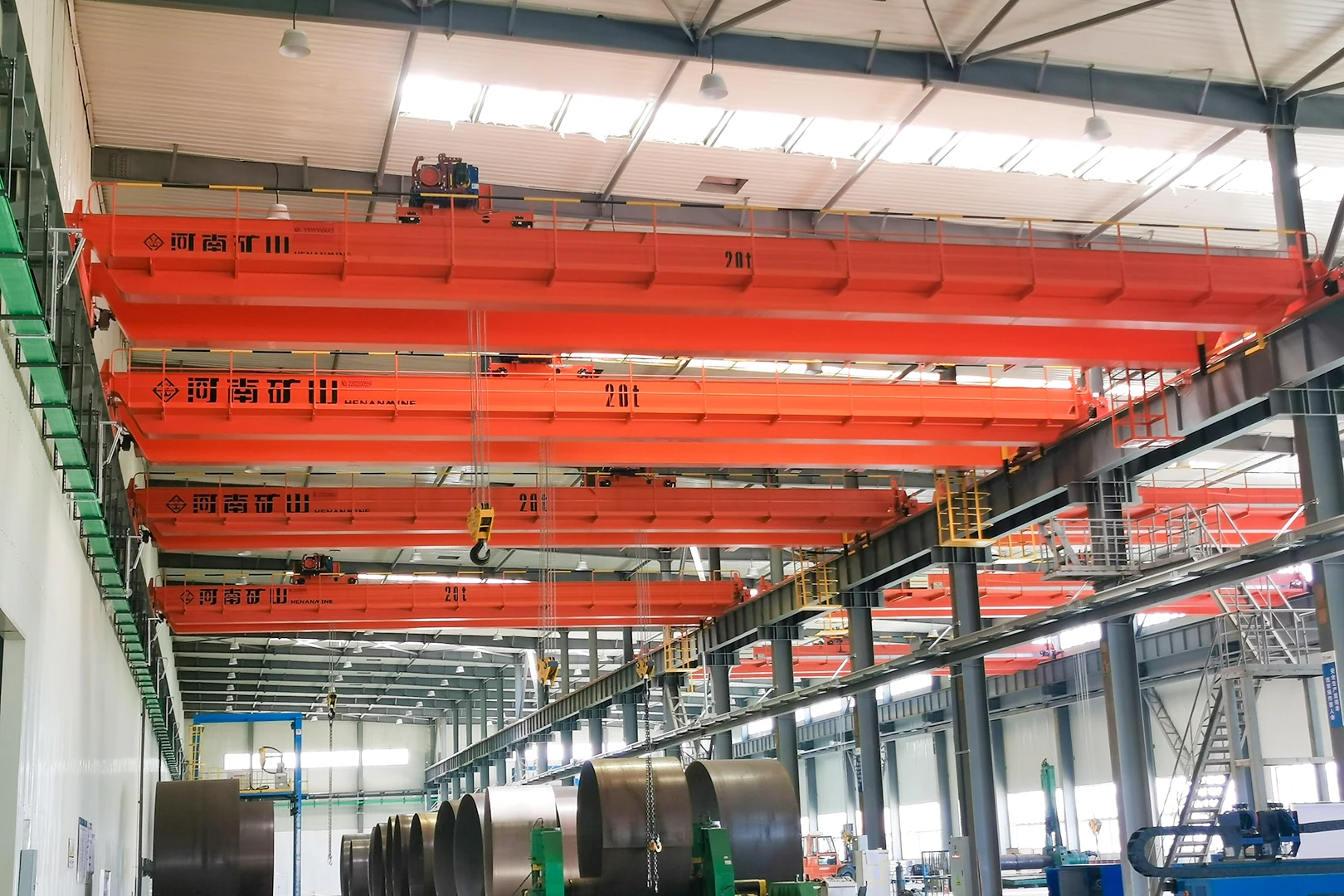
Henan Mine Crane Group manufactured 18 high-precision crane units for a CRRC clean-energy base. The project was described in connection with a planned wind-and-solar installed capacity of 5 million kW, while the cranes provide equipment-handling support within the base.
- Customer context
- CRRC clean-energy base
- Equipment scope
- 18 crane units/sets
- Movement control
- Full variable-frequency drives
- Construction
- Modular, lightweight design
- Wiring
- Aviation-plug connections
- Energy-project scale
- Planned 5 million kW wind-and-solar capacity; not a crane rating
Equipment handling within the clean-energy base
The 18-unit supply is a package for a CRRC clean-energy project. Its procurement focus is the lifting work required by the base, not the electrical capacity of the wider energy programme. Each station should have a defined duty before equipment quantities and configurations are finalised.
Prepare the route for components and equipment through receiving, production or assembly positions. List the loads, attachments and handover conditions for each station. This allows the package to be evaluated as a coordinated facility supply while preserving differences between individual crane duties.
Full variable-frequency control
All cranes in the described batch use full variable-frequency control. The intended benefit is stable movement during handling. For procurement, define the acceleration, approach and stopping behaviour that matters to the actual load and work position.
The cranes are described as high precision, but the acceptance requirement should be expressed through a measurable task. Show the receiving fixture, clearances and permissible load movement. If coordinated lifting or automatic movement is required for your facility, include that function explicitly rather than assuming it from the general project description.
Modular equipment and plug-connected wiring
Modular construction and aviation-plug wiring support straightforward installation of the crane assemblies. The lightweight design is part of the reported approach. These features are relevant when access and installation time must be coordinated with other factory works.
Agree the transport modules, site assembly sequence and connection responsibilities. Distinguish the crane’s plug-connected wiring from plant power supply, runway works and other site interfaces. A clear installation plan should show the equipment and access needed for each stage.
Service planning for a multi-unit package
The original design description emphasises general usability and reduced maintenance burden. A practical purchase still needs an inspection and service plan for hoists, drives, controls and access equipment. Agree the operating documents, spare-parts information and maintenance responsibilities at handover.
For a package of 18 units, use an equipment register linking location, duty, configuration and acceptance status. The 5 million kW figure is the planned wind-and-solar project scale; it is neither lifting capacity nor a measured energy saving from the cranes. Keep energy-project milestones and crane manufacture, installation and commissioning as distinct schedules.
Application photographs
See the equipment and working context.
Photographs and accompanying illustrations from this application report. Open an image for a larger view.


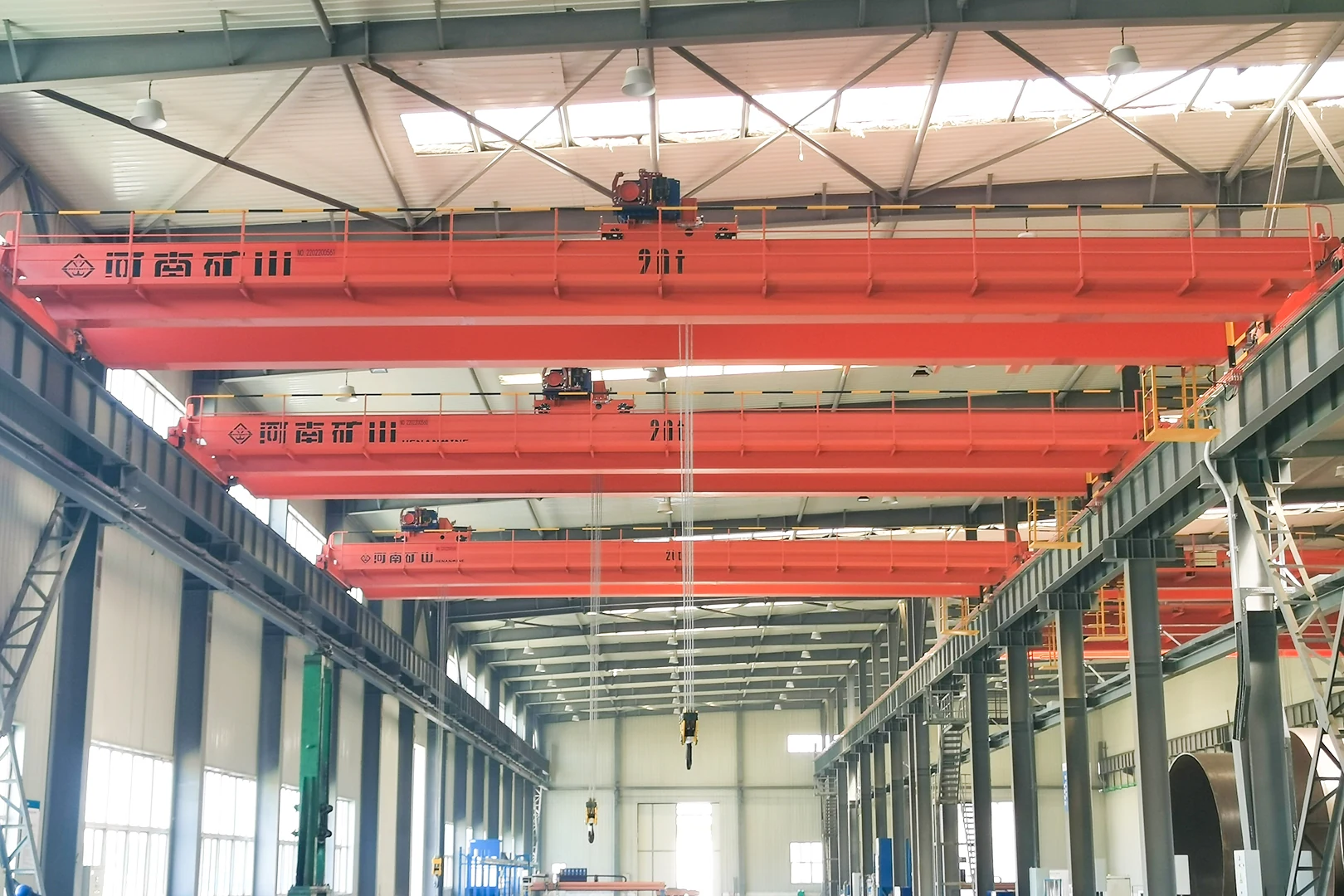
Application reference: Henan Mine Crane Group official application report. Equipment and operating advice for a new project should be specified against your load, process and site.
Start the equipment discussion
Relevant equipment families.
Compare the equipment family with your operating duty. Final attachments, controls and protection follow the application requirements.
Double-girder overhead cranes
Evaluate for base production/assembly duties using a station-by-station load schedule.
View equipment options ↗Single-girder overhead cranes
Compare for appropriate lighter support duties where the required span and handling interface permit.
View equipment options ↗Plan a similar application
Build the specification
around your operation.
Send the base layout and equipment-duty schedule to discuss a coordinated crane package.
- Equipment-handling tasks, component dimensions, masses and lifting points
- Crane quantities and locations with shared production interfaces
- Bay sections, runway dimensions, hook travel and site access
- Operating cycles, approach-speed needs and positioning criteria
- Transport modules, plug connections, plant power and installation boundaries
- Unit-by-unit acceptance, service access, records and maintenance expectations
Before you specify
Questions for
your project.
How can we manage several cranes in one purchase?
Use one equipment register with the location, duty, rating and required acceptance for each unit. Identify common components and configuration differences clearly.
What needs to be checked for modular installation?
Confirm transport dimensions, available lifting access, site assembly sequence and connection responsibilities. Include runway and power interfaces alongside the crane assemblies.
How should we specify high-precision operation?
Describe the actual handover position, load behaviour and permitted error. Agree the measurement method and representative operating conditions for acceptance.
Continue exploring
More new energy & new materials applications.
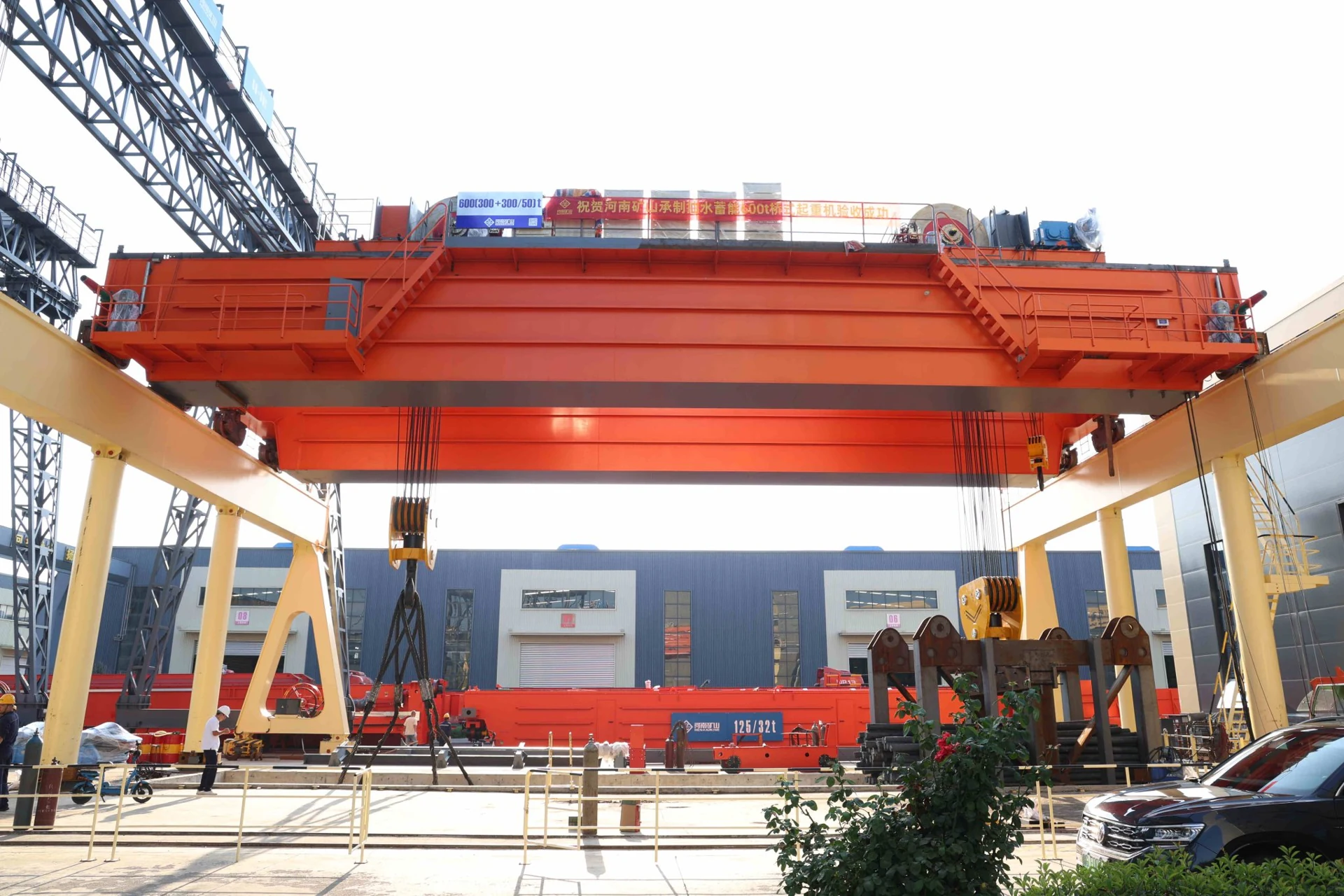
600t Pumped-Storage Crane with Coordinated Hooks and Monitoring
A 600t bridge crane supports an unnamed pumped-storage energy project. This application reference focuses on structural materials, major components and coordinated lifting.
Explore this application
54-Crane Package for Hongyuan High-Purity Silicon Production
Henan Mine Crane Group manufactured 54 assorted crane units for Hongyuan Energy’s high-purity crystalline-silicon project. Clean and explosion-protected duties are addressed with different crane configurations.
Explore this application
Crane Inspection for Lanzhou Baohang Anode-Material Production
Project cranes for Lanzhou Baohang passed an A-level inspection by Baosteel Consulting and Shanghai Jinyi experts. The review combined manufacturing records with dimensional and mechanism checks.
Explore this application


