
Hongyuan Energy / Silicon processing
54-Crane Package for Hongyuan High-Purity Silicon Production
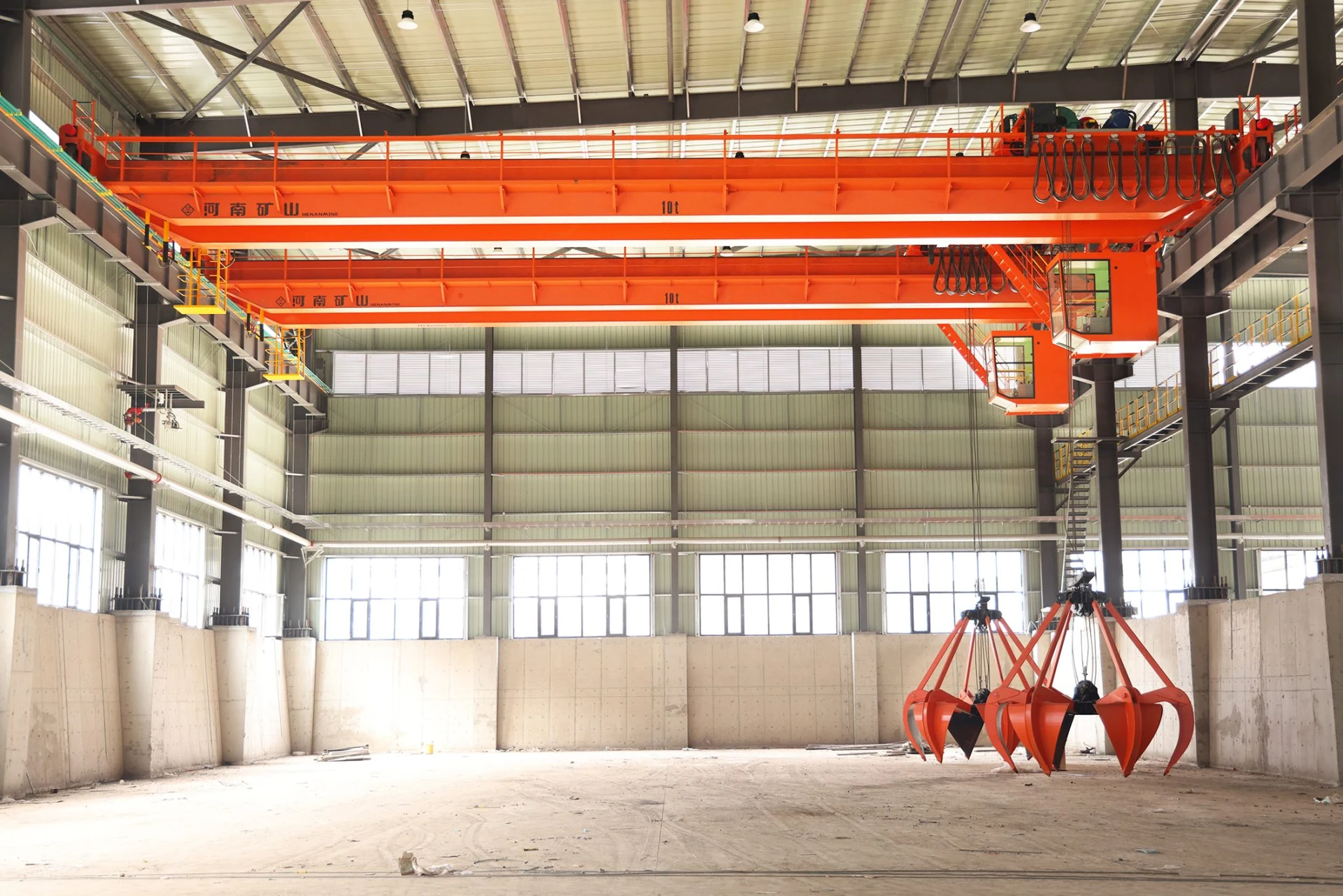
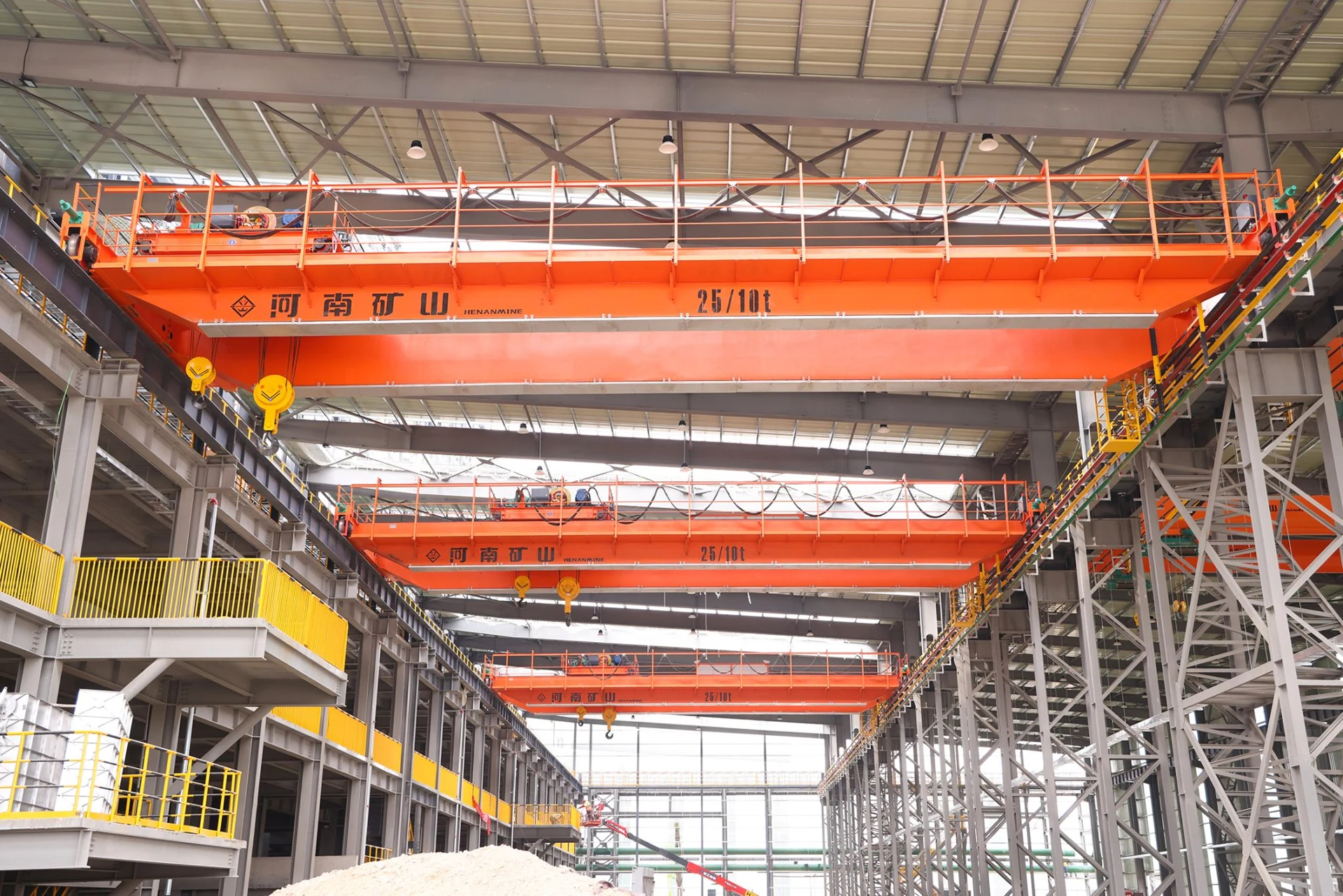
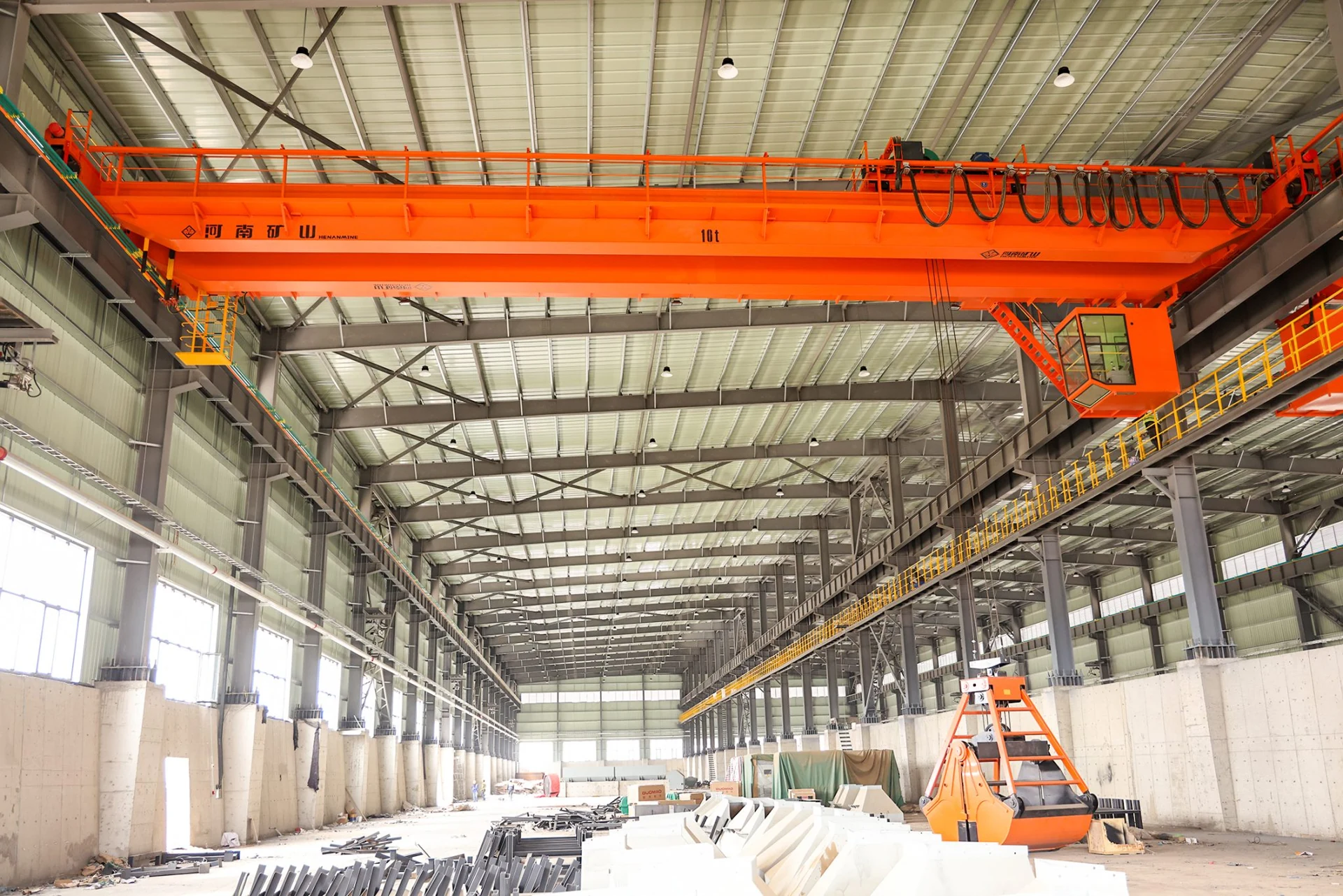
Henan Mine Crane Group manufactured 54 assorted crane units for Hongyuan Energy’s 100,000-tonne high-purity crystalline-silicon project. The package includes clean, explosion-proof electric-hoist double-girder cranes and dust-explosion-proof single-girder cranes, with configuration matched to different process areas.

- Customer
- Hongyuan Energy
- Project scope
- 100,000-tonne high-purity crystalline-silicon project
- Equipment quantity
- 54 assorted crane units/sets
- Included types
- Clean/explosion-proof hoist double-girder and dust-explosion-proof single-girder cranes
- Configuration
- Lightweight design, VFD control and protected components
- Stage
- Manufacture described; installation/commissioning milestone not stated
Different silicon-process areas need different protection
The 54-unit package addresses lifting within a photovoltaic silicon-production project. Its equipment types distinguish combined clean/explosion-protected duties from dust-explosion-protected single-girder duties. This is a package of different configurations, not 54 identical cranes.
For a new plant, divide the crane schedule by process area. Identify the material handled, the required cleanliness conditions and the applicable hazardous-area requirements for each location. Keep those requirements separate before combining them in the equipment specification.
Lightweight structures and controlled motion
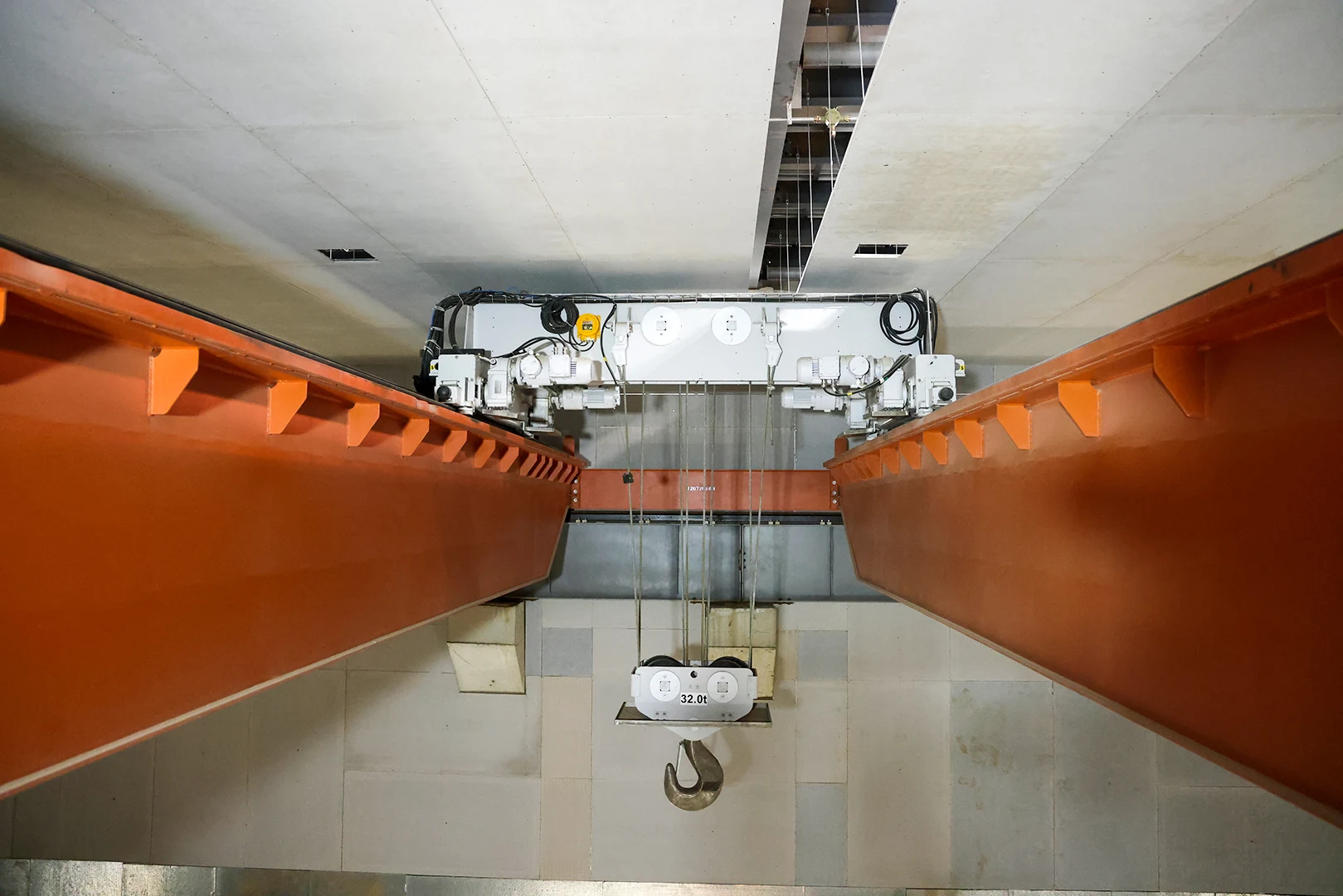
The cranes use lightweight, highly customised designs suited to the combined operating requirements. Variable-frequency drives provide controlled movement. The configuration also allows the necessary intelligent hardware to be developed around the application.
Define the load route and operating sequence before choosing optional functions. Include the lifting attachment, the station interfaces and the permitted approach behaviour. Future hardware options should be listed separately from functions included in the purchase and demonstrated at acceptance.
Protected components and contamination-control measures
Intrinsically safe and flameproof components are part of the reported package. Dedicated dust-recovery permanent-magnet devices and corrosion-resistant, anti-static paint coatings address contamination and environmental exposure. These measures work alongside the mechanical and electrical configuration.
For procurement, describe the materials that must be kept away from the product, the dust sources and cleaning access. Ask how the proposed collection devices and coatings will be inspected and maintained. Where hazardous-area protection is required, agree the applicable documentation for the proposed equipment and the responsible approval process.
A manufacturing milestone for a multi-crane project
The 54 cranes were manufactured for Hongyuan’s project. The 100,000-tonne figure describes the silicon-production project. Track crane design, manufacture, factory checks and installation as individual milestones, using a unit schedule to identify the configuration and acceptance requirements for each process area.
Build a project schedule that distinguishes design approval, manufacture, factory checks, installation and process-area acceptance. Request a duty and protection schedule for each crane, including any different requirements between gas, dust and clean-process areas. This makes the package manageable and prevents a protection description for one bay from being applied across the whole facility.
Application photographs
See the equipment and working context.
Photographs and accompanying illustrations from this application report. Open an image for a larger view.


Application reference: Henan Mine Crane Group official application report. Equipment and operating advice for a new project should be specified against your load, process and site.
Start the equipment discussion
Relevant equipment families.
Compare the equipment family with your operating duty. Final attachments, controls and protection follow the application requirements.
Explosion-proof double-girder cranes
Evaluate protected double-girder arrangements against the specific area classification and cleanliness requirements.
View equipment options ↗Explosion-proof single-girder cranes
Consider for suitable single-girder duties with the required dust/area documentation.
View equipment options ↗Double-girder overhead cranes
Compare structural/hoist arrangements while keeping clean and protection requirements explicit.
View equipment options ↗Plan a similar application
Build the specification
around your operation.
Send your silicon-process area schedule so each crane’s load, cleanliness and protection requirements can be assessed.
- Crane quantities by area with load forms, dimensions and gross lifting masses
- Process layouts, stations, runways and required hook approaches
- Documented hazardous-area requirements for each gas or dust location
- Cleanliness targets, contamination restrictions and cleaning procedures
- Dust-recovery devices, coating requirements and service-access expectations
- Factory/area acceptance, protection documents, installation and handover scope
Before you specify
Questions for
your project.
Can one protection specification cover every crane in the plant?
Prepare an area-by-area schedule first. Different locations may have different dust, gas, cleanliness and handling requirements even within one silicon-production project.
How should cleanliness be described in an enquiry?
Provide the actual contamination limits, restricted materials, cleaning process and acceptance method. This allows collection devices, coatings and mechanical interfaces to be evaluated together.
How should a large multi-crane package be managed?
Use a crane schedule with one identified duty, location and acceptance requirement per unit. Track shared components separately from configuration differences between process areas.
Continue exploring
More new energy & new materials applications.
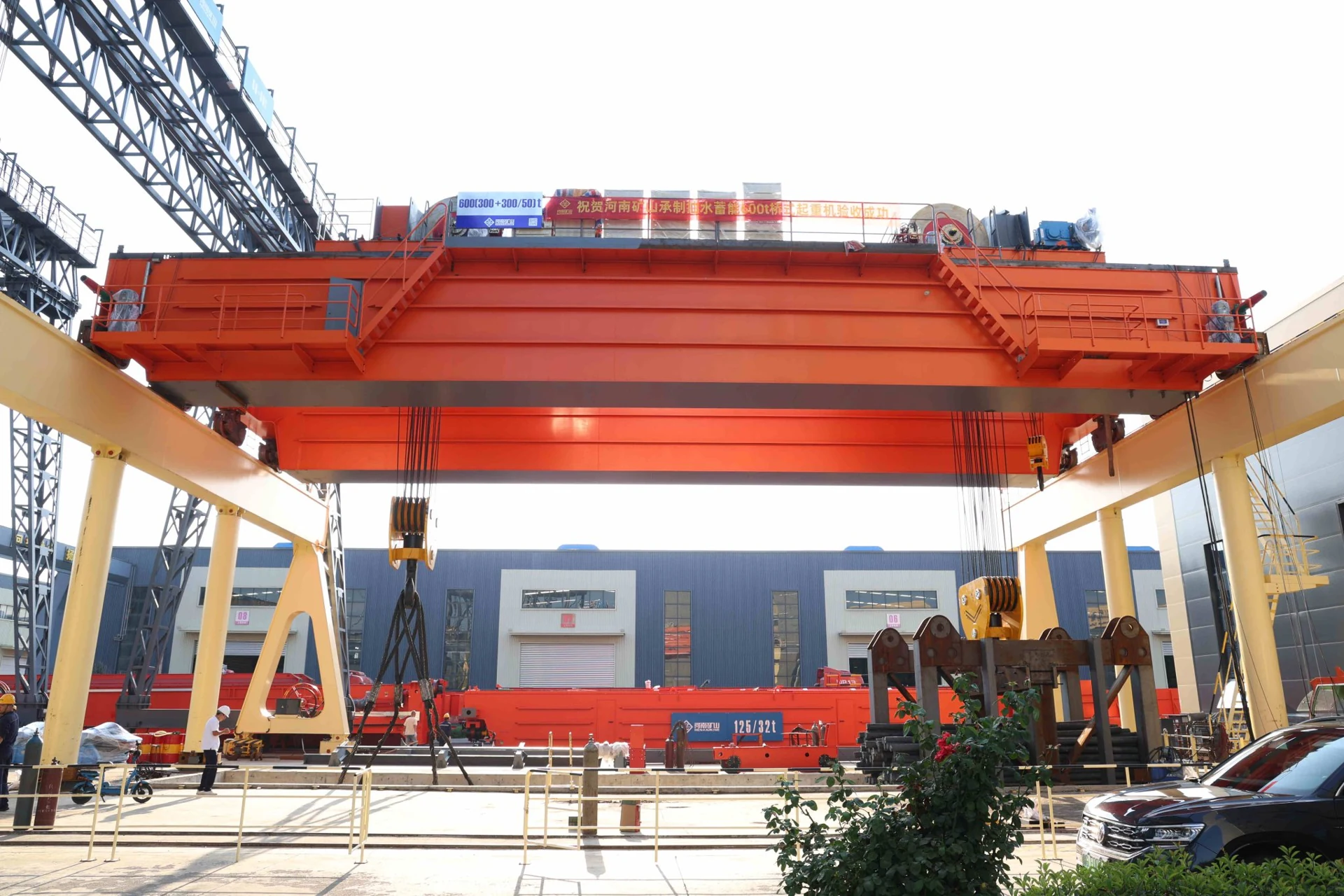
600t Pumped-Storage Crane with Coordinated Hooks and Monitoring
A 600t bridge crane supports an unnamed pumped-storage energy project. This application reference focuses on structural materials, major components and coordinated lifting.
Explore this application
Crane Inspection for Lanzhou Baohang Anode-Material Production
Project cranes for Lanzhou Baohang passed an A-level inspection by Baosteel Consulting and Shanghai Jinyi experts. The review combined manufacturing records with dimensional and mechanism checks.
Explore this application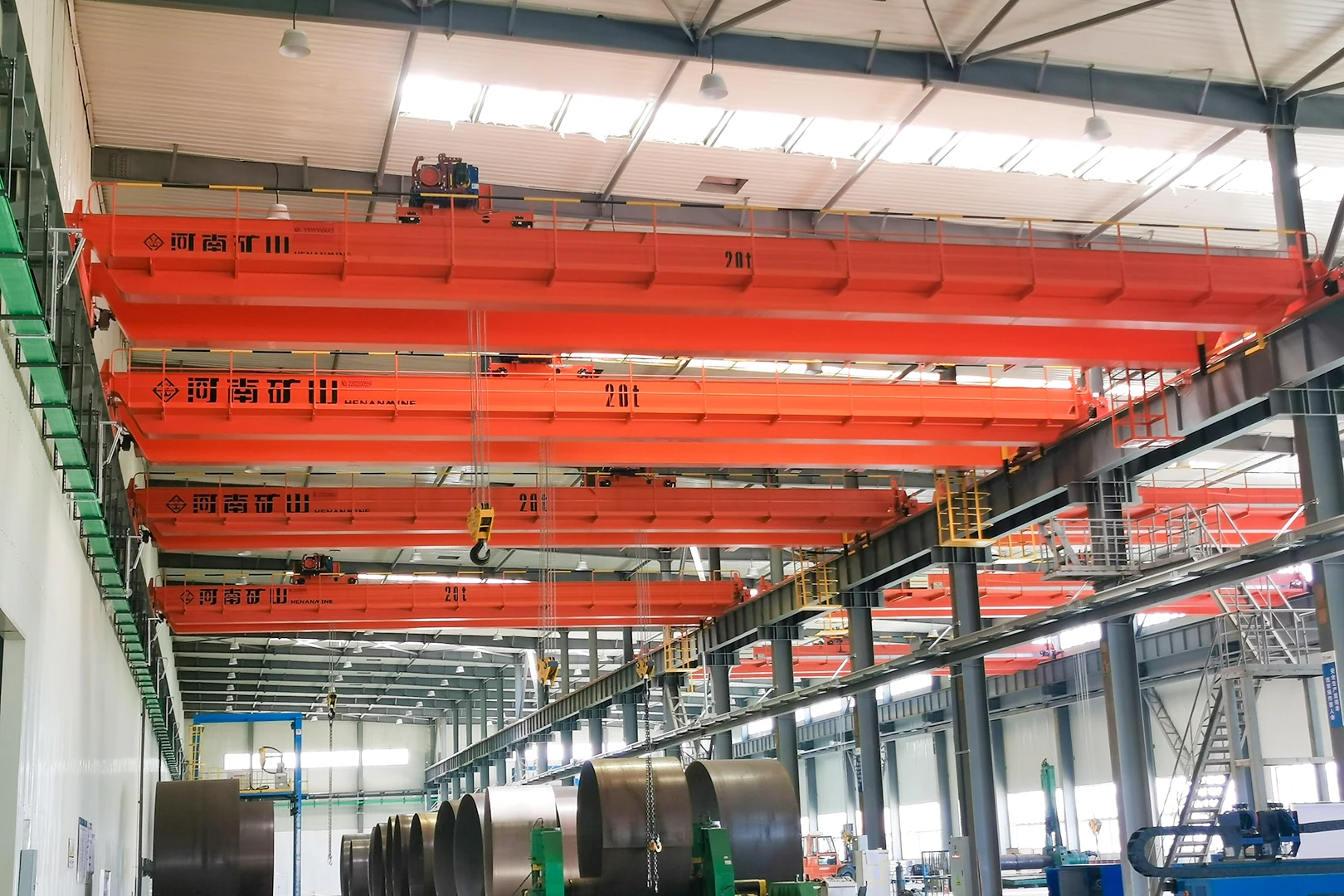
18-Crane Package for a CRRC Clean-Energy Base
Henan Mine Crane Group manufactured 18 crane units for a CRRC clean-energy base. Full VFD control and modular, plug-connected construction are the documented configuration features.
Explore this application


