
Carbon-based materials / Quality inspection
Crane Inspection for Lanzhou Baohang Anode-Material Production
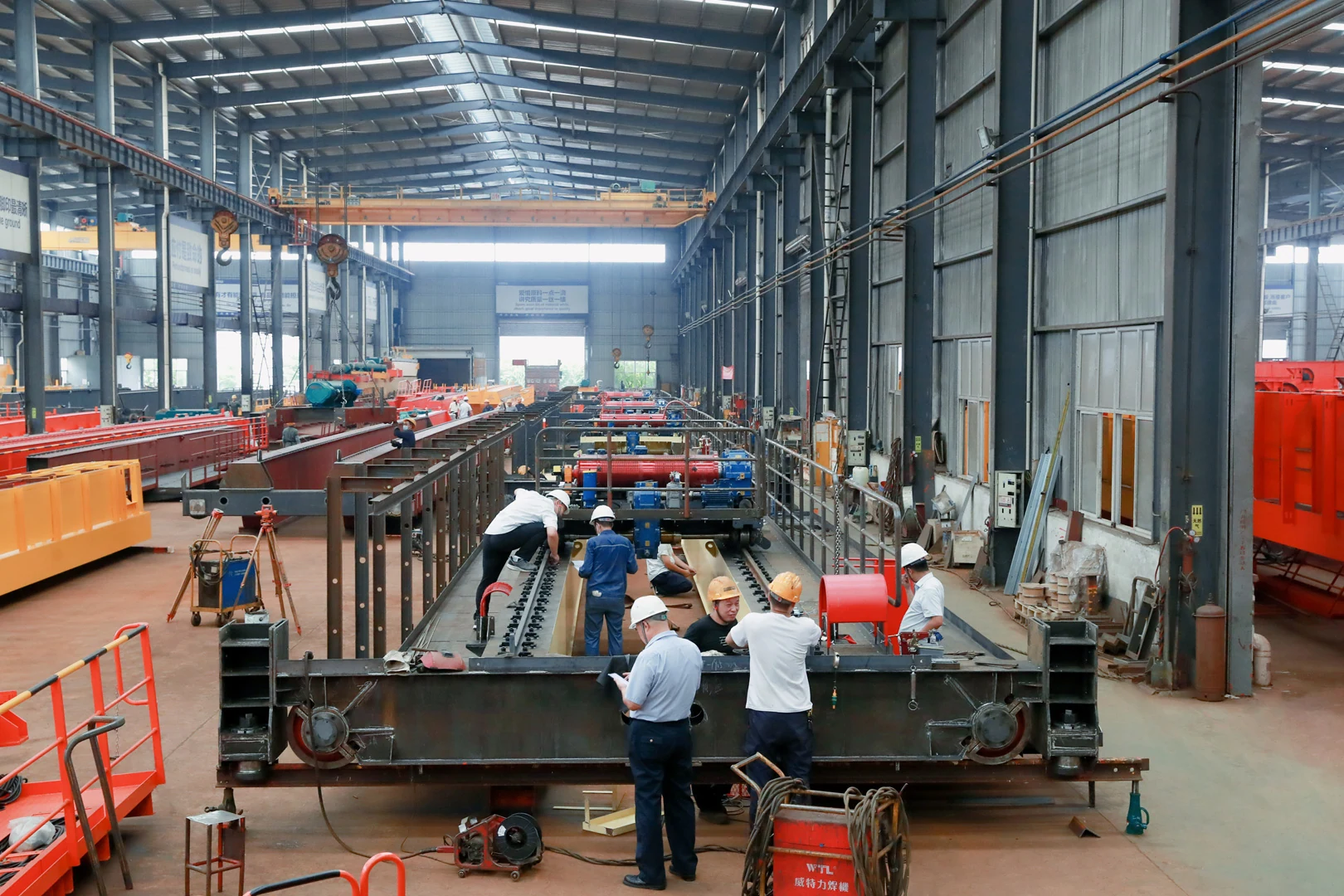
Henan Mine Crane Group’s cranes for Lanzhou Baohang’s 100,000-tonne anode-material project passed A-level inspection by Baosteel Consulting and Shanghai Jinyi testing experts. The inspection covered self-check records, material and non-destructive-testing reports, and specified equipment measurements.

- Customer
- Lanzhou Baohang
- Project
- 100,000-tonne anode-material project
- Milestone
- A-level project inspection passed
- Inspectors
- Baosteel Consulting and Shanghai Jinyi testing experts
- Document review
- Self-inspection, material and NDT reports
- Physical checks
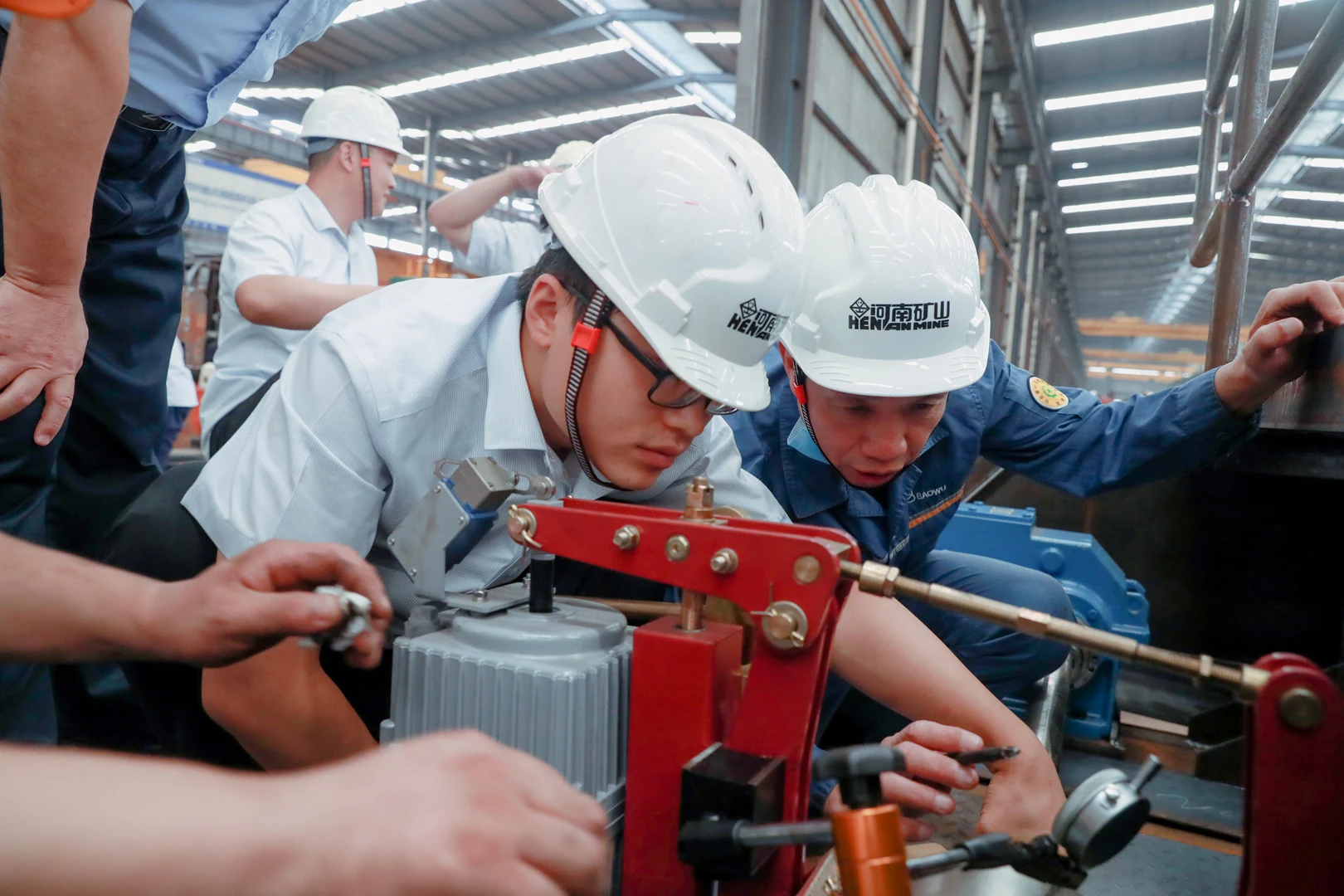
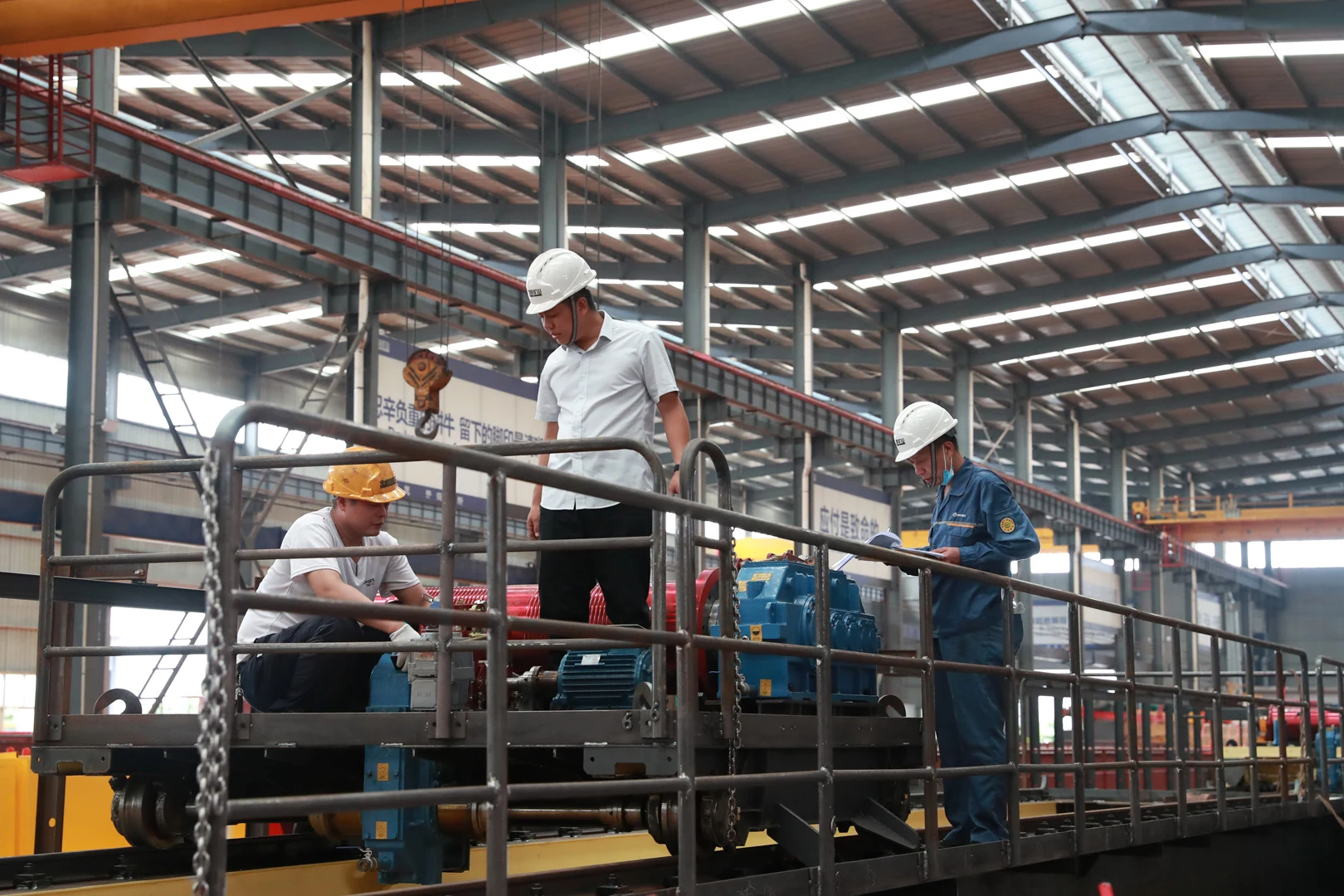
- Girder span, brake-wheel runout, wheel-tread hardness and travel mechanisms
Quality acceptance for a materials-production project
The application concerns crane supply for carbon-based anode-material production. The inspection took place on 8–11 August and confirmed that the checked results were within the applicable standard ranges. The 100,000-tonne figure describes the production project, not a crane’s lifting capacity.
For a new plant, begin with the actual handling duties and add a quality plan that follows the crane from manufacture to site acceptance. A materials-project label cannot by itself define the load, process attachment or environment; those belong in the equipment specification.
Traceable records before physical acceptance
The inspection team reviewed self-inspection records, material reports and non-destructive-testing reports. Together, these documents connect manufacturing activities and checks with the equipment presented for inspection. Their usefulness depends on clear identification and an agreed record scope.
Specify which assemblies and materials need traceability, which examinations are required and how the results will be supplied. Agree the review and approval responsibilities before manufacture. This gives the inspection team a defined basis for checking that the documentation corresponds to the ordered equipment.
Dimensional and mechanism checks
The physical review included main-girder span, brake-wheel runout, wheel-tread hardness and crane travel mechanisms. These checks address different aspects of the manufactured equipment rather than relying on appearance or a general quality statement.
For procurement, identify the dimensions and mechanism conditions that affect your runway, installation and operating requirements. Agree the relevant limits, measurement methods and records in the inspection plan. A project inspection outcome should be used with its actual scope, not treated as a universal certification for every product or application.
Coordinate the inspection team and the supply schedule
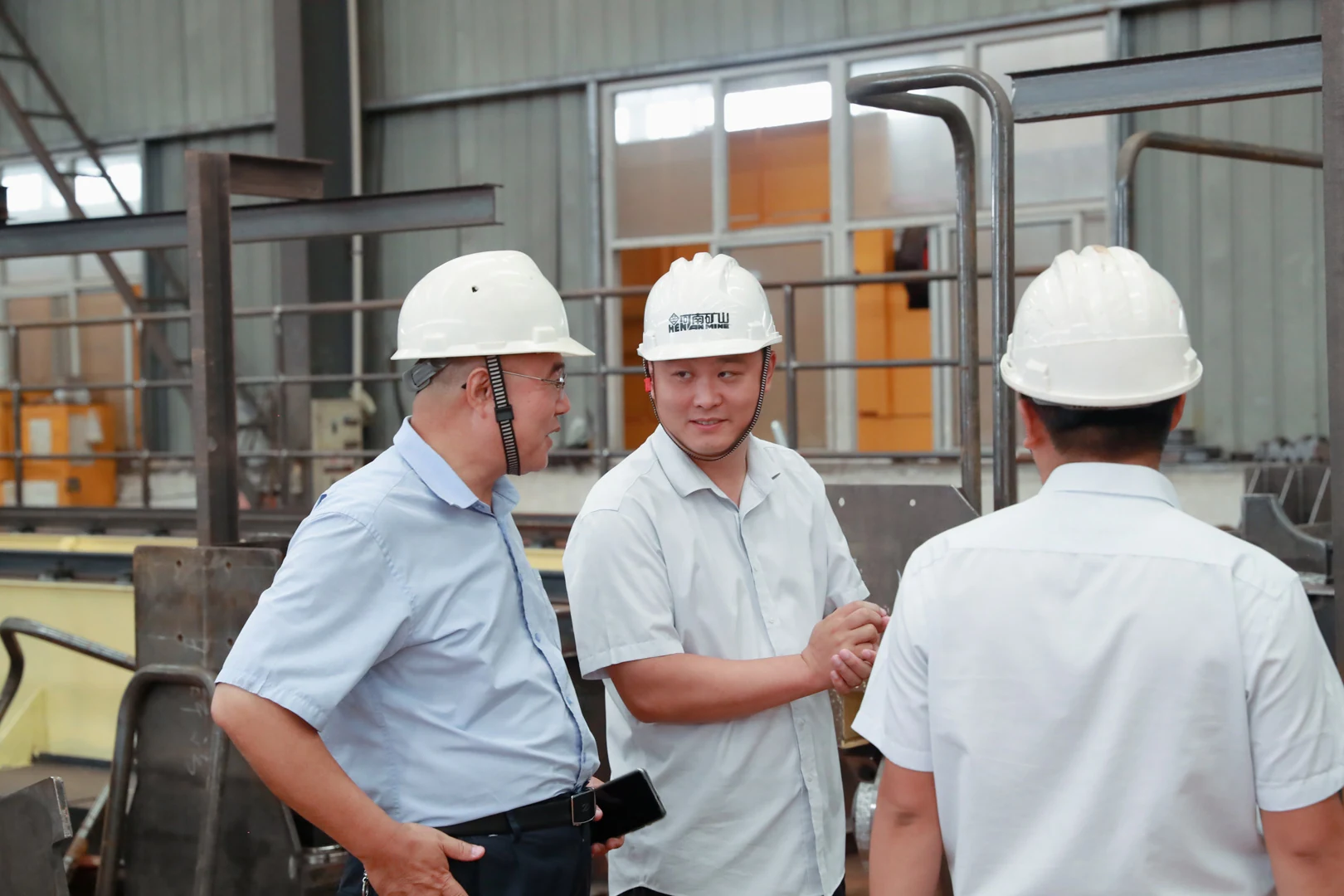
Henan Mine Crane Group’s major-project office coordinated process, technical, quality-assurance, production and manufacturing-team personnel for the inspection. This coordination helped the review address both records and equipment details. The visiting experts also recognised the quality system, manufacturing workmanship and structural dimensions.
For your project, define who organises inspections, who resolves findings and which records close an action. Distinguish this manufacturing inspection from installation checks and process-area commissioning. The next procurement discussion should include load data, environmental requirements and the intended lifting route alongside the quality deliverables.
Application photographs
See the equipment and working context.
Photographs and accompanying illustrations from this application report. Open an image for a larger view.




Application reference: Henan Mine Crane Group official application report. Equipment and operating advice for a new project should be specified against your load, process and site.
Start the equipment discussion
Relevant equipment families.
Compare the equipment family with your operating duty. Final attachments, controls and protection follow the application requirements.
Double-girder overhead cranes
Evaluate the lifting arrangement for the actual anode-material handling route and environment.
View equipment options ↗Single-girder overhead cranes
Compare for appropriate supporting duties after the load, span and process conditions are established.
View equipment options ↗Plan a similar application
Build the specification
around your operation.
Send your anode-material handling duty and required inspection plan to discuss equipment and quality deliverables together.
- Material-handling tasks, load masses, dimensions and lifting interfaces
- Plant layout, stations, runway interfaces and equipment working range
- Dust, temperature, cleanliness and other actual operating conditions
- Material traceability, NDT and self-inspection record requirements
- Required dimensional/mechanism checks with acceptance limits and witnesses
- Manufacturing inspection, delivery, installation and commissioning responsibilities
Before you specify
Questions for
your project.
What should we include in a crane inspection plan?
Identify the records, physical checks, acceptance limits, witness points and approval responsibilities. Align the plan with the actual equipment duty and installation interfaces.
How do manufacturing inspections differ from site acceptance?
Manufacturing checks address the equipment and agreed records before delivery. Site acceptance also needs to address installation, runway interfaces and the intended operating functions.
What load information is needed to select the crane rating?
The equipment rating must come from your load schedule, attachment mass and operating duty. The 100,000-tonne figure is the materials-project scale, not lifting capacity.
Continue exploring
More new energy & new materials applications.
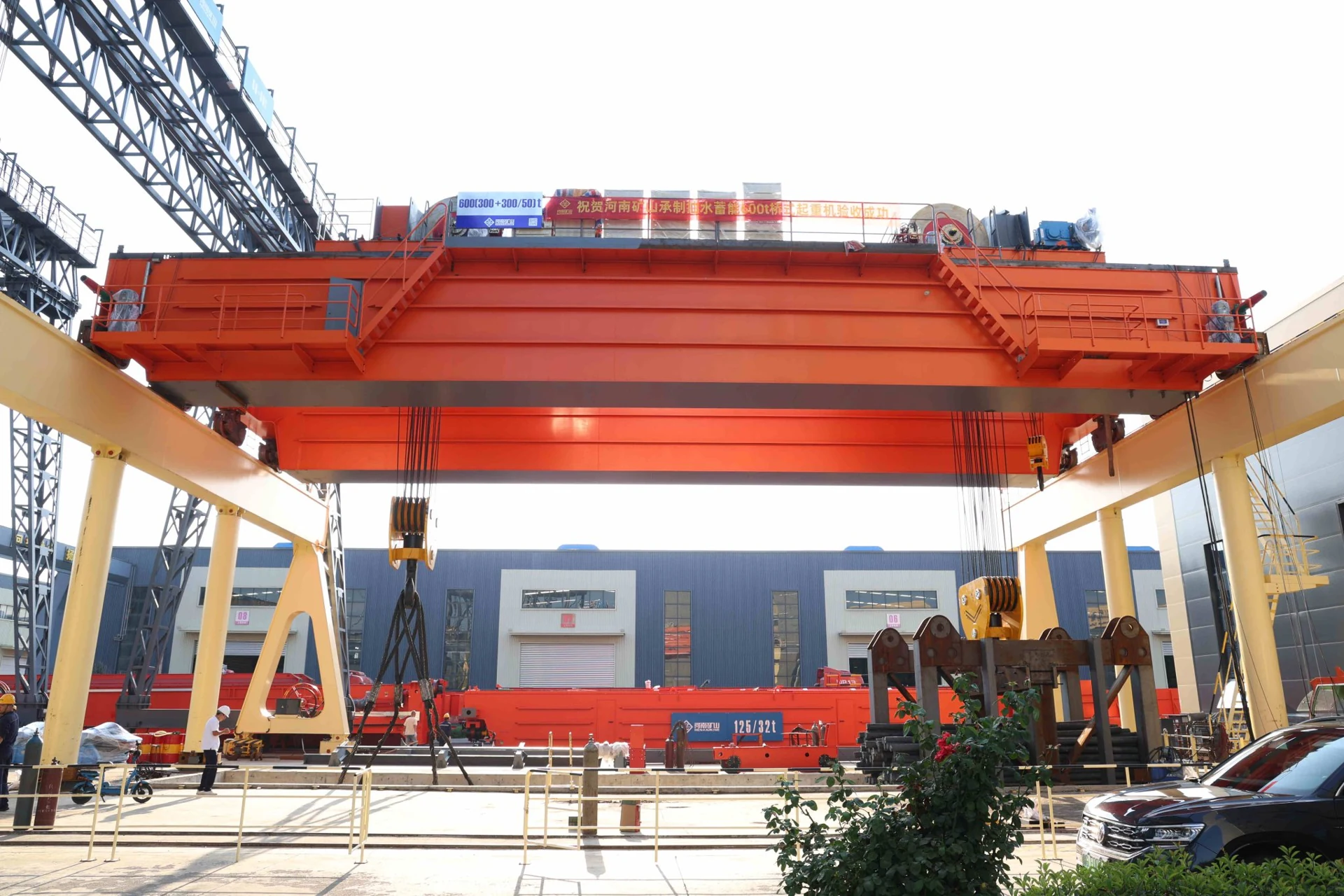
600t Pumped-Storage Crane with Coordinated Hooks and Monitoring
A 600t bridge crane supports an unnamed pumped-storage energy project. This application reference focuses on structural materials, major components and coordinated lifting.
Explore this application
54-Crane Package for Hongyuan High-Purity Silicon Production
Henan Mine Crane Group manufactured 54 assorted crane units for Hongyuan Energy’s high-purity crystalline-silicon project. Clean and explosion-protected duties are addressed with different crane configurations.
Explore this application
18-Crane Package for a CRRC Clean-Energy Base
Henan Mine Crane Group manufactured 18 crane units for a CRRC clean-energy base. Full VFD control and modular, plug-connected construction are the documented configuration features.
Explore this application


