
Vessel and process sequence
Provide vessel/contents/rigging masses, lifting connections, hook loads by stage and the required movements and stops.
Define the casting sequence, operator view and stopping/holding requirements alongside separate main and auxiliary hook loads.

Orange operator cabin with windows, landing and console. This archive component view supports discussion of sightlines and access; it does not establish the supplied station or its heat protection.
Separate enquiry references; selected ratings to agree
Start with your known requirements. Our team can clarify the remaining interfaces.
Separate the listed product information from the dimensions and responsibilities that need your project input.
| Main and auxiliary references | 240 t main / 80 t auxiliary enquiry references; selected ratings, allowed combinations and operating sequence to agree |
|---|---|
| Vessel and suspended assembly | Vessel tare, maximum contents, beams, attachments and rigging; define the rated-load basis and load carried by each hook |
| Process positions | Pickup, transfer, holding, pouring and set-down locations; identify critical stops, nearby structures and restricted areas |
| Useful hook movement | Upper/lower positions, hook spacing and vessel tilt path with the actual lifting connections; confirm usable coverage on the selected drawing |
| Span and runway interface | Surveyed rail centres, rail section/level, approaches and selected wheel loads; archived 10.5–31.5 m is a family reference |
| Operating duty | Load spectrum, cycle timing, starts, shifts and holding periods; specify crane and mechanism classifications under the applicable standard |
| Operator visibility and access | View of vessel, lifting points and process stops, communication, station access and evacuation for the selected control location |
| Stopping and load holding | Required stopping/holding behaviour, selected brake arrangement, monitoring and inspection access; agree functions and acceptance criteria |
| Controls and permitted motions | Travel/lifting speeds, positioning, coordinated movements, limits and interlocks; document allowed operating modes and recovery procedures |
| Heat and component environment | Ambient/radiant exposure and duration, dust and equipment location; specify component limits, shielding, cooling and enclosure requirements |
| Site electrical supply | Actual voltage, frequency and phase, feed path and isolation; match selected equipment to the site rather than conflicting listing ranges |
| Supply, testing and handover | Crane package, supporting structure/rails/power work, delivery, erection, commissioning, applicable tests, documents, training and contractual support |
Listed information supports initial selection. Final dimensions, loads, speeds and components are defined in the project technical offer.
Provide vessel/contents/rigging masses, lifting connections, hook loads by stage and the required movements and stops.
Provide runway/support drawings, hook levels and vessel envelope, proposed operator location, visibility restrictions and access.
State duty, heat exposure, power and isolation, site constraints and the transport, erection or commissioning services to include.
| Work package | Agree in the quotation |
|---|---|
| Selected equipment and controls | Bridge/trolleys, separate hook mechanisms, operating station, electrical equipment and defined motion/protection functions. |
| Site infrastructure | Supporting structure, rails, power, isolation, access and structural review assigned to responsible parties. |
| Delivery and installation | Agreed delivery terms, package information, unloading, erection/access equipment and installation responsibilities. |
| Acceptance and support | Applicable testing and records, drawings/manuals, training, spare parts and contractual warranty/service obligations. |
This is a scope-planning checklist. Inclusion and responsibility depend on the agreed contract.
Match vessel movements, hook loads and control functions to the intended casting process.
Use the Site interfaces tab above to check the layout and operating conditions. Record your requirements in the project brief alongside this page.
Review the product configuration and purchasing requirements for this equipment.
Map the casting process before selecting the crane controls and operating arrangement. This archived listing uses separate 240 t main and 80 t auxiliary hook references, not a combined 320 t capacity. Show where the vessel is picked up, transferred, held, poured and set down, with the load supported by each hook. Then review operator visibility, permitted movements, stopping and holding requirements, heat exposure and site interfaces in the selected technical offer.
PROCESS · VISIBILITY · CONTROL
A hook-rating pair is only one input. Give suppliers the same process sequence and operating conditions for a useful comparison.
List pickup, travel, holding, pouring and set-down stages. Identify vessel contents, lifting connections and the load carried by each hook. Ask the selected design to define allowable combinations and coordinated movements.
Review the vessel and process stops from the proposed station. Account for structures, equipment and changing vessel positions. Specify communication, access and environmental requirements with the purchaser’s operating team.
Describe required motion control and load holding at each stage. Request the selected braking, limit and interlock functions, their operating boundaries and inspection needs. Agree the applicable verification and acceptance criteria.
CORRESPONDING COMPONENT REFERENCES
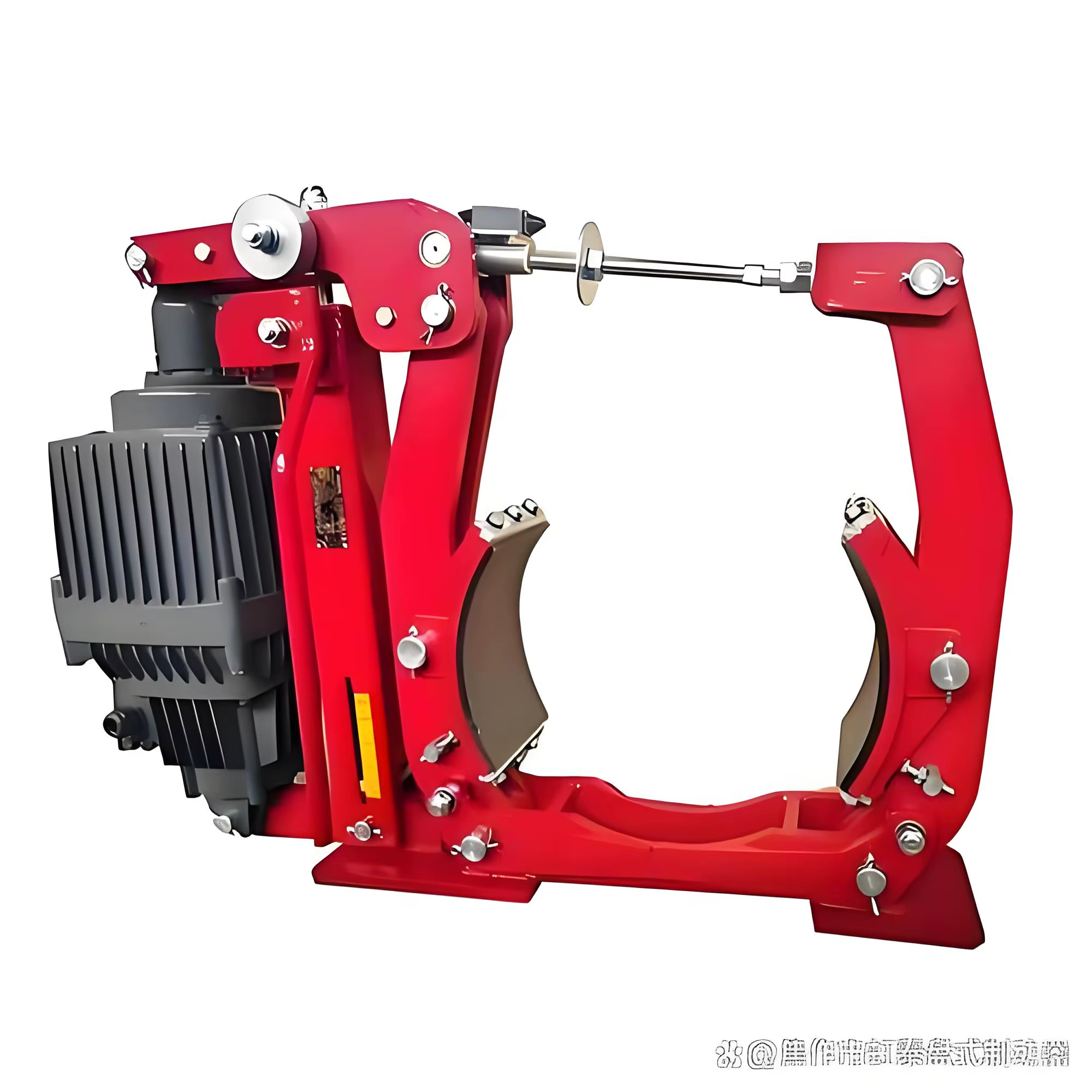
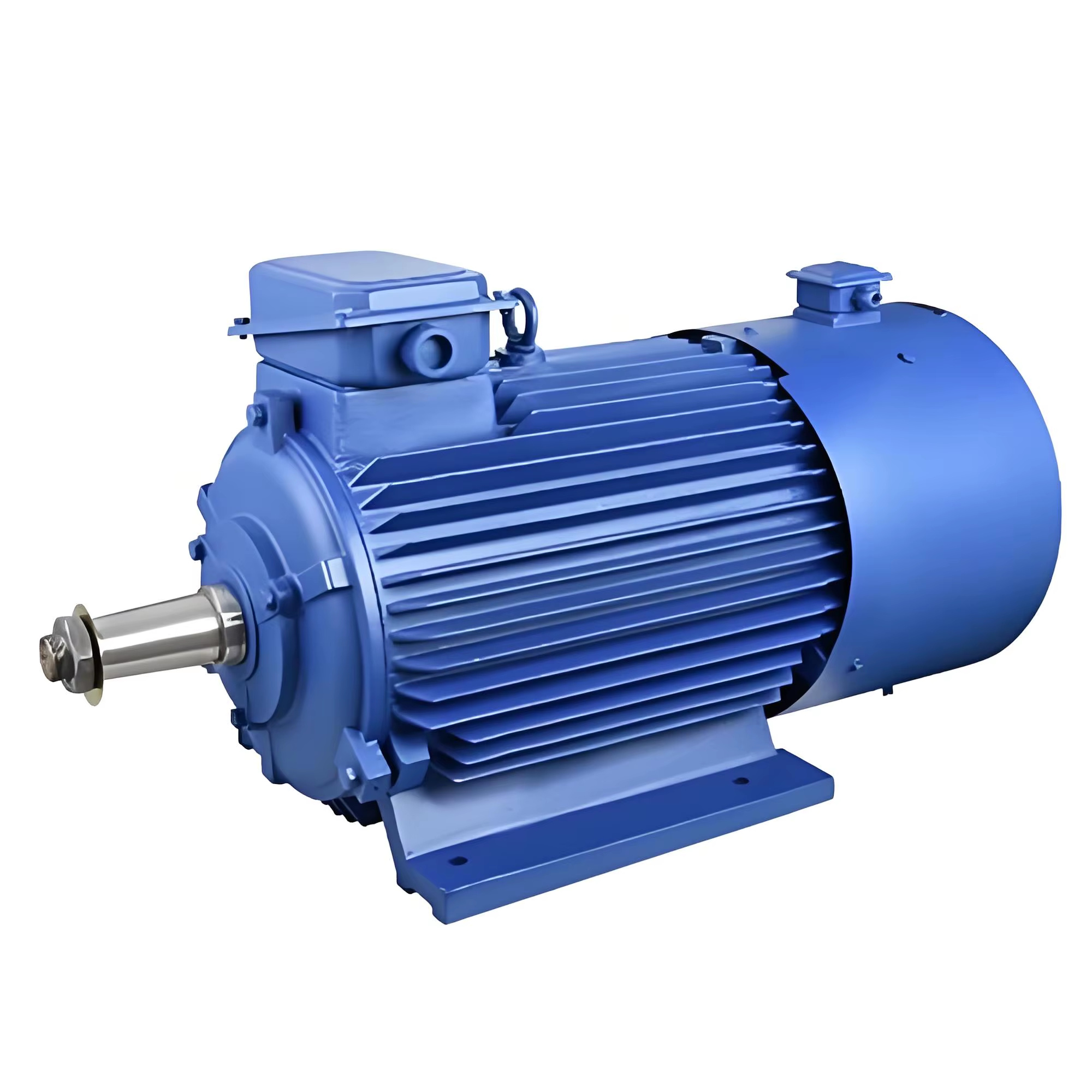
These three photographs are retained in this product archive. Their visible components help frame the enquiry; they do not establish an approved 240/80 t crane configuration.
01 / COMPONENT REFERENCEOrange operator cabin with windows, landing and console. This archive component view supports discussion of sightlines and access; it does not establish the supplied station or its heat protection.
 02 / COMPONENT REFERENCE
Red drum-brake assembly with black actuator. This component reference does not establish the selected brake arrangement, redundancy, holding capacity or safety functions.
 03 / COMPONENT REFERENCE
Blue electric motor with projecting shaft and cooling fins. Confirm the selected motor ratings, mounting, duty, power supply and environmental limits in the offer.
COMPARE THE SELECTED PACKAGE
Itemize bridge/trolleys, main and auxiliary mechanisms, operator station, electrical equipment and agreed motion/protection functions. Request matching dimensions, wheel loads, operating limits and maintenance access.
Assign supporting structure, rails, site power and isolation, unloading and erection access to the responsible parties. Separate transport and site-service prices where required. Agree applicable functional, load and process tests, commissioning records, manuals and training before ordering.
ONE PROCESS-BASED ENQUIRY
Include vessel and rigging geometry, hook loads by stage, critical stops and the proposed control location. Add runway/support drawings, duty, heat exposure and site power. Mark the equipment and services to include in the quotation.
Discuss your casting-crane requirementsHenan Mine Crane Group
Keep equipment references and revision dates consistent across the offer, drawings and test plan.
Check hook-load cases, vessel movement, operator view, selected speeds and stopping/holding functions against the intended casting sequence.
Obtain selected dimensional interfaces and wheel loads for the responsible structural designer. Allocate rails, power, isolation, access and purchaser-provided work.
Agree applicable inspections and tests, operating limits, drawings, manuals, training and parts identification. State warranty and service obligations in the contract.
Historical supplier-listing information for context. Request a current quotation for your selected configuration and project scope.
Range combines the price tiers shown in the saved listing. Captured 2026-10-11. This is not a current project quotation; capacity, dimensions, options, quantity, delivery and included services affect final price.
Archived supplier-listing reference. The saved price is not a current quotation; confirm configuration, quantity, shipping and included scope. View saved source listing ↗
Bring engineering, purchasing and the installation team into the same scope before the purchase order.
Send the bay and vessel/rigging layout with stage-by-stage hook loads, movements and critical stops. Include the proposed operator location, runway/support interfaces, hook levels, duty, heat exposure, power and requested site services.
Send a drawing for reviewLoad or working task, layout, operating cycle, destination and timing.
Selected configuration, interface drawing, component schedule and scope exceptions.
Inspection, testing and documentation, delivery responsibilities and warranty terms.
No. The archived listing provides separate main and auxiliary enquiry references. The selected technical documents must define each rating, allowed load combinations and coordinated movements; the pair does not authorize simultaneous maximum loading.
Show pickup, transfer, holding, pouring and set-down positions with the vessel and rigging geometry, contents and load supported by each hook. Mark critical stops, clearances, restricted areas and the proposed control location.
No. It shows a drum-brake component in the corresponding archive. Ask the technical offer to define selected brakes, stopping and holding functions, monitoring, inspection access and applicable acceptance criteria for the intended service.
No. The 10.5–31.5 m span and discrete 6, 10, 20, 32 and 55 m lift alternatives are supplier family references. Confirm actual useful hook movement and site power in the selected design. Crane/mechanism classifications need the applicable standard, while component ingress or insulation labels do not establish whole-crane thermal suitability.
The supplier listing captured 2026-10-11 shows US$900,000 per set for 1–2 sets and US$890,000 for at least 3 sets. These are historical quantity tiers, not a current delivered quotation. Request itemized prices for the selected equipment, site interfaces, transport, erection and acceptance services.

Related 240/80 t process-fit enquiry: compare the selected load cases and site requirements.
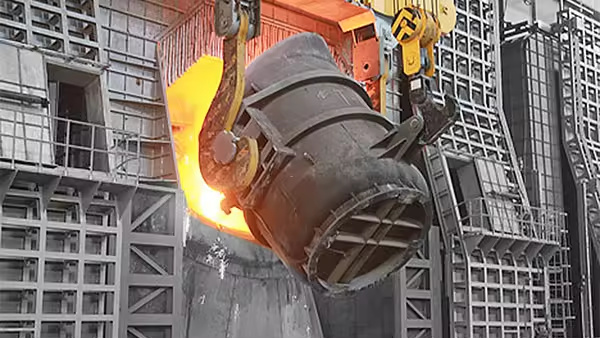
Related 225/65 t handling enquiry: review the complete load and separate hook tasks.

Related 225/65 t meltshop enquiry: review duty, heat exposure and clearance.
 01
 02
 03
 04
 05
 06
 07
 08
EXPLORE OUR NEWSROOM
Projects, technology and updates
from Henan Mine Crane Group.
 01
Crane projects, dispatches and on-site applications.
 02
Equipment developments, engineering and manufacturing.
 03
Factory updates, partnerships and the people behind our cranes.
 04
Trade shows, industry meetings and company events.