
Aerospace manufacturing / Heavy protected lifting
160t+160t Explosion-Proof Crane for Aerospace Manufacturing
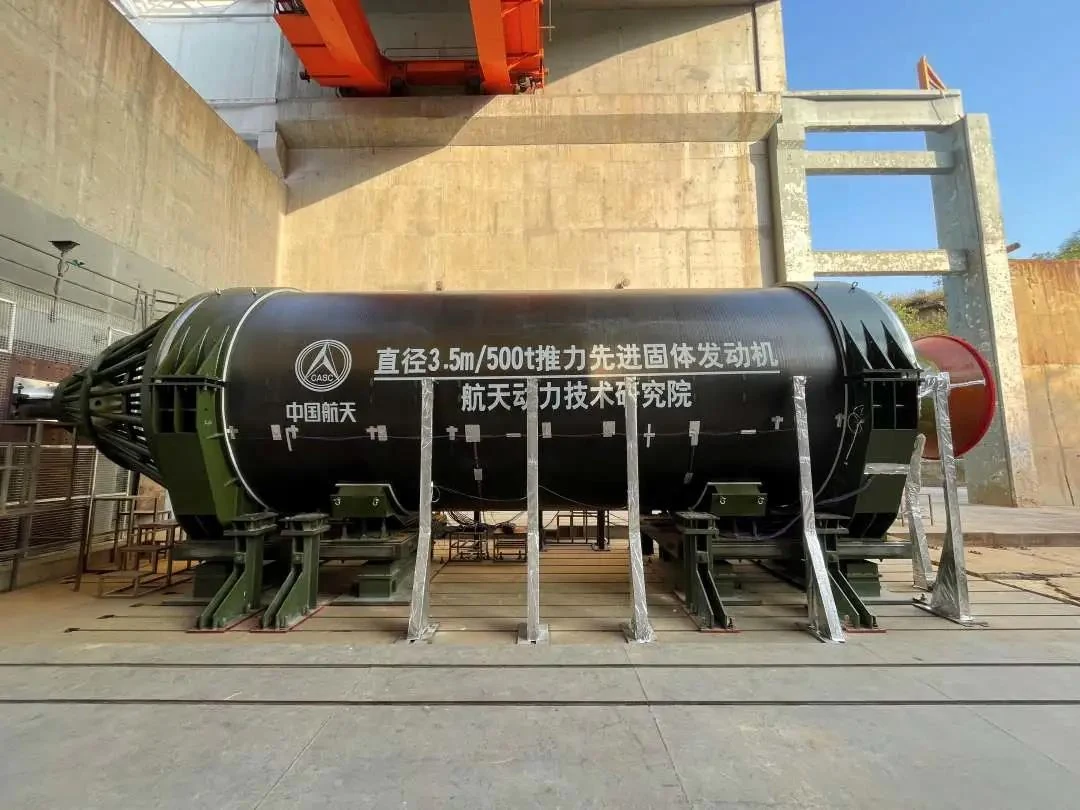
Henan Mine Crane Group manufactured more than 60 assorted crane units for China Aerospace Science and Technology Corporation programmes during the period described. The featured equipment is a 160t+160t explosion-proof electric double-girder overhead crane for aerospace manufacturing.
- Featured configuration
- 160t+160t explosion-proof electric double-girder overhead crane
- Wider supply
- More than 60 assorted crane units/sets
- Customer context
- China Aerospace Science and Technology Corporation programmes
- Application
- Aerospace manufacturing lifting support
- Project stage
- Manufacture/supply described; no individual handover date
Heavy lifting within an aerospace production programme
The featured crane forms part of a wider supply supporting aerospace manufacturing. The 160t+160t notation identifies the reported lifting arrangement; a new purchase must also define the permitted hook combinations, load sharing and operating sequence. Those details are essential when the workpiece has more than one lifting point.
Prepare the full load drawing, including rigging and attachments. Mark the centre of gravity and any restrictions on orientation or differential movement. This allows the proposed equipment to be assessed around the actual component rather than a combined headline number.
Explosion protection follows the operating area
Explosion-proof equipment is an explicit feature of this crane. Its suitability for another workshop depends on that workshop’s documented hazardous-area requirements and the proposed equipment’s applicable documentation. Aerospace is a manufacturing context, not a substitute for an area classification.
State the substances, environmental conditions and area requirements supplied by the responsible project team. Agree the scope covering drives, electrical equipment and relevant mechanical components. Include inspection, maintenance and documentation expectations in the enquiry.
Separate the featured crane from the wider supply
More than 60 assorted crane units were manufactured over the period discussed. The number does not describe sixty identical 160t+160t units. A manufacturing programme may include different ratings, locations and tasks, so the useful procurement document is a duty schedule by station.
For your package, identify which equipment serves major component transfers and which covers supporting workshop work. Show shared runways, load routes and installation interfaces. This helps the proposal distinguish the heavy protected-lifting requirement from other plant duties.
Programme achievements provide context for production support
The announcement followed a successful ground hot-firing of an integrated solid rocket motor in Xi’an. It also referenced Chang’e 5 and Shenzhou 12 and 13 as broader aerospace achievements. The crane contribution is equipment and technical support for manufacturing; the lifting equipment is not described as performing a launch or engine firing.
Translate the production requirement into a technical review covering handling geometry, working duty, area protection and acceptance. Agree the applicable tests and documents for the actual equipment. Keep any mission schedule separate from the factory delivery and commissioning milestones for the crane.
Application photographs
See the equipment and working context.
Photographs and accompanying illustrations from this application report. Open an image for a larger view.

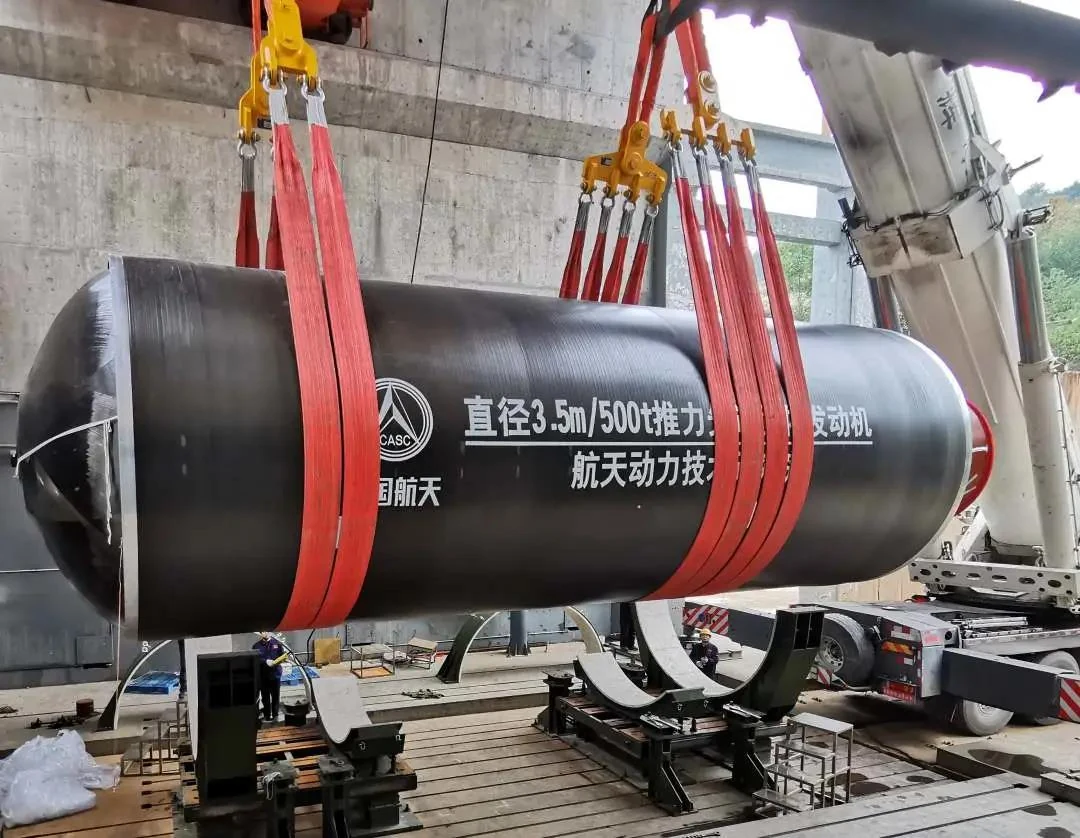
Application reference: Henan Mine Crane Group official application report. Equipment and operating advice for a new project should be specified against your load, process and site.
Start the equipment discussion
Relevant equipment families.
Compare the equipment family with your operating duty. Final attachments, controls and protection follow the application requirements.
Explosion-proof double-girder cranes
Evaluate a documented protected double-girder arrangement against the actual area and heavy-lift duty.
View equipment options ↗Double-girder overhead cranes
Compare the structural and handling arrangement while keeping explosion-protection requirements explicit.
View equipment options ↗Plan a similar application
Build the specification
around your operation.
Send the heavy component’s lifting arrangement and the operating-area requirements for a protected-lifting assessment.
- Component mass, dimensions, centre of gravity and rigging weight
- Lifting-point spacing, hook combinations and permitted load sharing
- Required orientations, travel route and restricted handover positions
- Documented hazardous-area classification and environmental conditions
- Operating duty, speeds, control modes and coordinated-lifting criteria
- Inspection documents, factory tests, site acceptance and service-access needs
Before you specify
Questions for
your project.
How should we interpret 160t+160t in a new enquiry?
Use it as the featured project’s notation. For your crane, define each hook’s duty, the allowed combinations and load distribution so the lifting arrangement can be engineered and documented.
Does an aerospace workshop automatically need explosion-proof equipment?
The actual operating area determines that requirement. Provide the project’s area classification and substances so the applicable configuration and documentation can be evaluated.
What information matters most for coordinated heavy lifting?
Provide the lifting-point geometry, centre of gravity, rigging and permitted movement differences. These define the load-sharing and control requirement more clearly than tonnage alone.
Continue exploring
More aerospace applications.

Rotating-Beam Cranes for Controlled Aerospace Assembly
24 lifting devices completed on-site inspection for an aerospace research institute. Six under-rotating beam cranes combine controlled attachment rotation, anti-sway and multiple operating modes.
Explore this application
Lifting-Equipment Support for Aerospace Manufacturing Programmes
Henan Mine Crane Group’s aerospace support includes equipment development, technical problem-solving, service and quality work. This programme reference provides a starting point for discussing manufacturing lifting requirements.
Explore this application
Under-Rotating Crane Load Test for Aerospace Composites
An under-rotating crane for Xi’an Aerospace Composites Research Institute completed its load test. Dual attachments and a modular, FEA-developed structure support controlled handling of production components.
Explore this application


