
Shipbuilding / Overall assembly support
12 Crane Units for Component Handling in Large Cruise-Ship Assembly
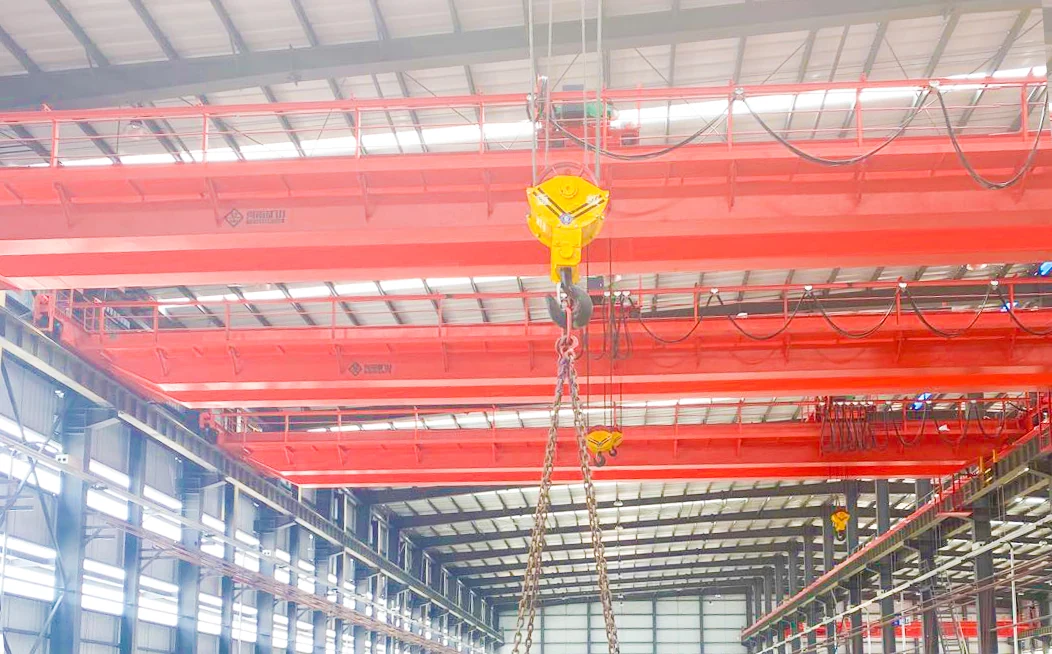
Component lifting and assembly for China's first domestically built large cruise ship were supported by 12 assorted crane units/sets from Henan Mine Crane Group. The project had entered overall assembly at the reported milestone, bringing selected components into the shipbuilding production sequence.
- Project
- China's first domestically built large cruise ship
- Equipment scope
- 12 assorted crane units/sets
- Handling duty
- Selected ship components lifted and assembled during construction
- Reported stage
- Start of overall ship assembly
- Ship context
- Approximately 135,500 GT; gross tonnage is not crane lifting capacity
- Assembly scale
- Ship described as comprising more than 25 million components
Component handling at the overall assembly stage
The 12-unit/set crane supply supported selected component lifting and assembly as the cruise ship entered overall construction. The project milestone is the start of that assembly stage, not a crane lifting the entire vessel or a statement that all shipbuilding movements used one equipment type.
For another shipbuilding enquiry, divide the component schedule by production and assembly area. Identify what is received, transferred and positioned at each stage. That allows the crane mix to follow the actual manufacturing work rather than using the vessel's size as a substitute for a lifting schedule.
A large vessel contains many different lifting tasks
The ship is described as having more than 25 million components. Its scale includes about 135,500 GT, 16 levels of living and entertainment areas, 2,125 cabins and a maximum passenger capacity of 5,246. These are vessel characteristics, not crane ratings or load data.
The useful load information is the mass and geometry of the particular component being handled. Include temporary lifting fixtures and any assembly-stage change in centre of gravity. Different components may require different load connections, clearances or handover arrangements within the same shipbuilding programme.
Specify coverage from the production and assembly layout
A mixed crane supply is suited to discussion by working area: where components are made, where they wait and where they join the assembly sequence. The project's twelve assorted units/sets establish a component-handling supply, while the individual crane capacities and configurations must be selected for the proposed duties.
Show the workshop or construction-area supports, travel routes and receiving fixtures. Define required hook heights and any areas where the component's orientation must change. Those interfaces are needed to compare overhead, gantry or other arrangements for the new installation.
Connect equipment acceptance to representative ship components
Use representative component lifts to set acceptance requirements. Specify the lifting points, permitted orientation, transfer path and placement conditions, together with the operating frequency at each station. Include any coordination with the ship assembly sequence and the access needed to inspect and maintain the equipment.
The application demonstrates a multi-crane contribution to shipbuilding assembly. For procurement, the next step is a load-based equipment schedule and clearly allocated responsibilities for tooling, supports and controls. This keeps the package focused on the components the cranes actually handle.
Application photographs
See the equipment and working context.
Photographs and accompanying illustrations from this application report. Open an image for a larger view.

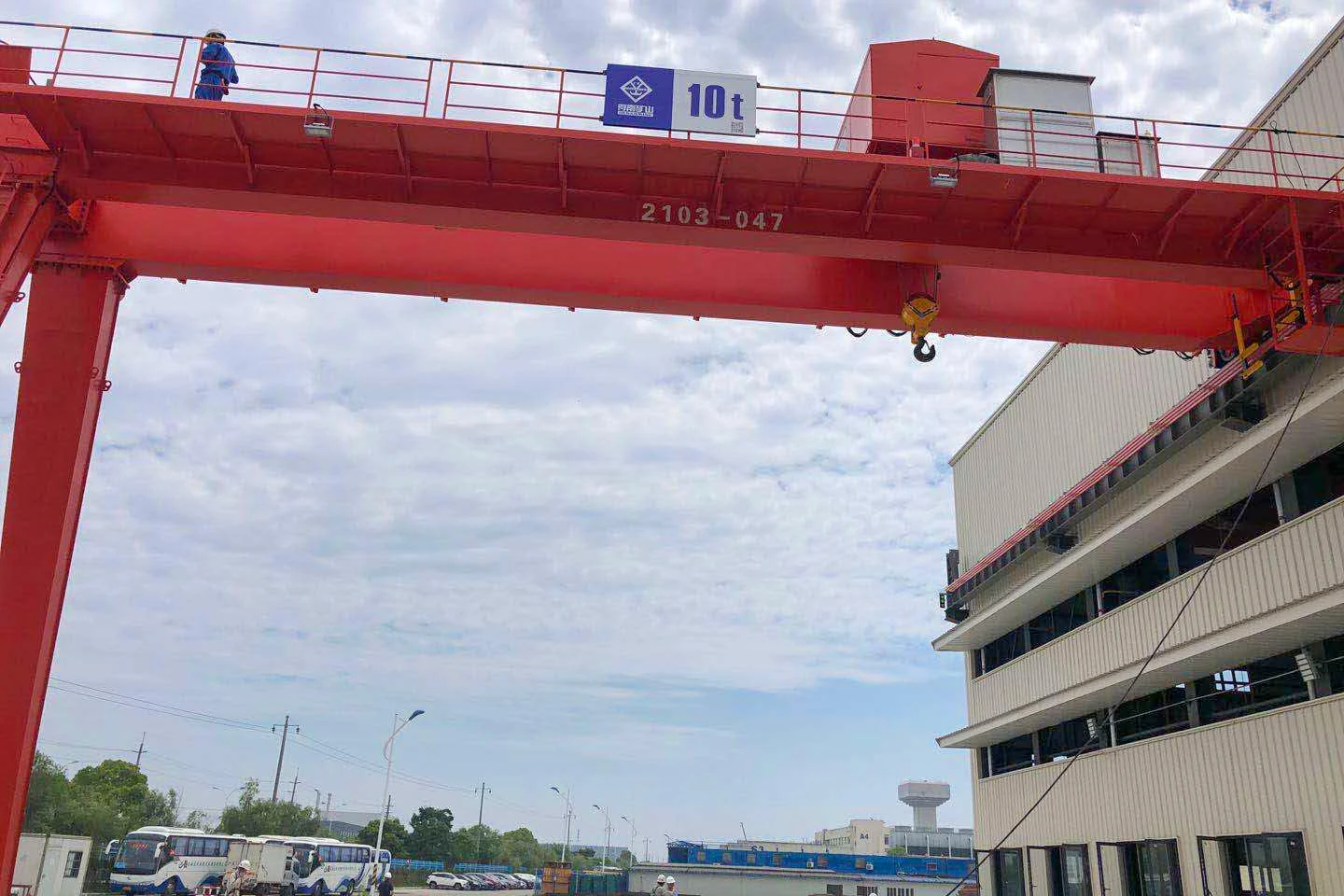


Application reference: Henan Mine Crane Group official application report. Equipment and operating advice for a new project should be specified against your load, process and site.
Start the equipment discussion
Relevant equipment families.
Compare the equipment family with your operating duty. Final attachments, controls and protection follow the application requirements.
Double girder overhead cranes
Evaluate for covered ship-component production areas where the structure and lift schedule support an overhead layout.
View equipment options ↗Double girder gantry cranes
Evaluate where the assembly area's supports and travel layout call for a gantry, using component loads and the required assembly sequence.
View equipment options ↗Plan a similar application
Build the specification
around your operation.
Share the ship-component lift schedule and assembly-area layouts to define a practical multi-crane supply.
- Component masses, dimensions and centres of gravity by assembly stage
- Approved lifting points, temporary fixtures and permitted orientation
- Production/assembly area layouts and receiving supports
- Required travel coverage, hook heights and access clearances
- Transfer frequency, placement conditions and assembly-sequence interfaces
- Tooling/support responsibilities, acceptance movements and maintenance access
Before you specify
Questions for
your project.
How should cranes be selected for a large shipbuilding programme?
Start with component loads and working areas. A vessel's overall dimensions or gross tonnage cannot replace a station-specific lifting and assembly schedule.
Which lifting interfaces should the shipbuilder provide?
Supply approved component lifting points, fixture drawings, temporary supports and orientation limits, including changes as the component enters assembly.
How can a mixed crane package be compared between suppliers?
Use a common schedule of load, coverage, duty, interfaces and acceptance movements for each area. State separately who supplies tooling, supports and control connections.
Continue exploring
More construction & infrastructure applications.

500t Double-Girder Crane for Heavy Component Handling in High-Speed-Rail Construction
The 500t crane was put into use for heavy component handling on an unnamed high-speed-rail project. Synchronized hooks, anti-sway and digital/video monitoring address complex construction conditions.
Explore this application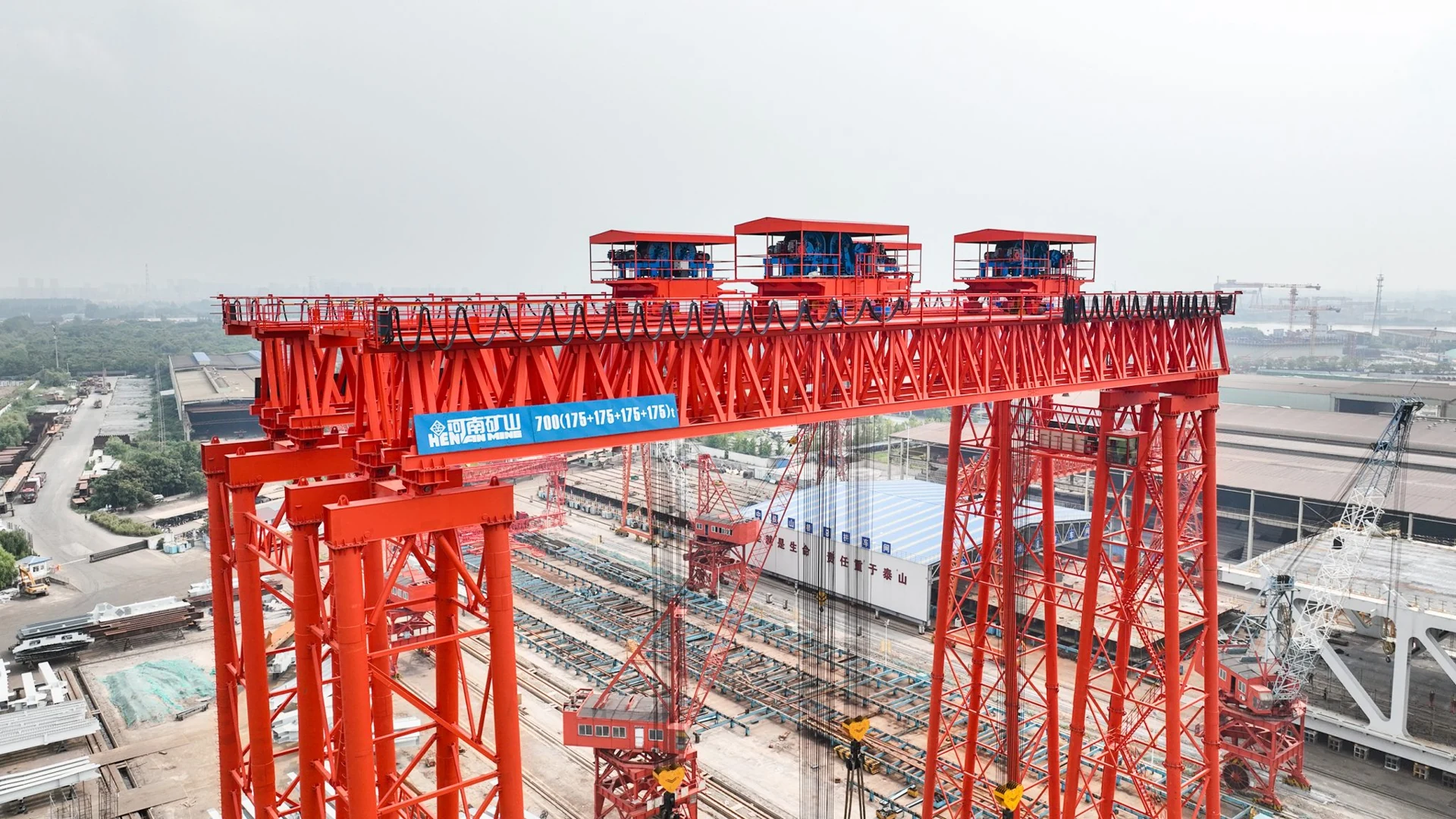
700t Gantry Crane Type Testing for Zhangjinggao Bridge Steel-Tower Construction
The 700t gantry crane passed type testing for the Zhangjinggao Yangtze River Bridge steel-tower project. It belongs to a wider crane package intended for main-tower and other bridge-structure lifting.
Explore this application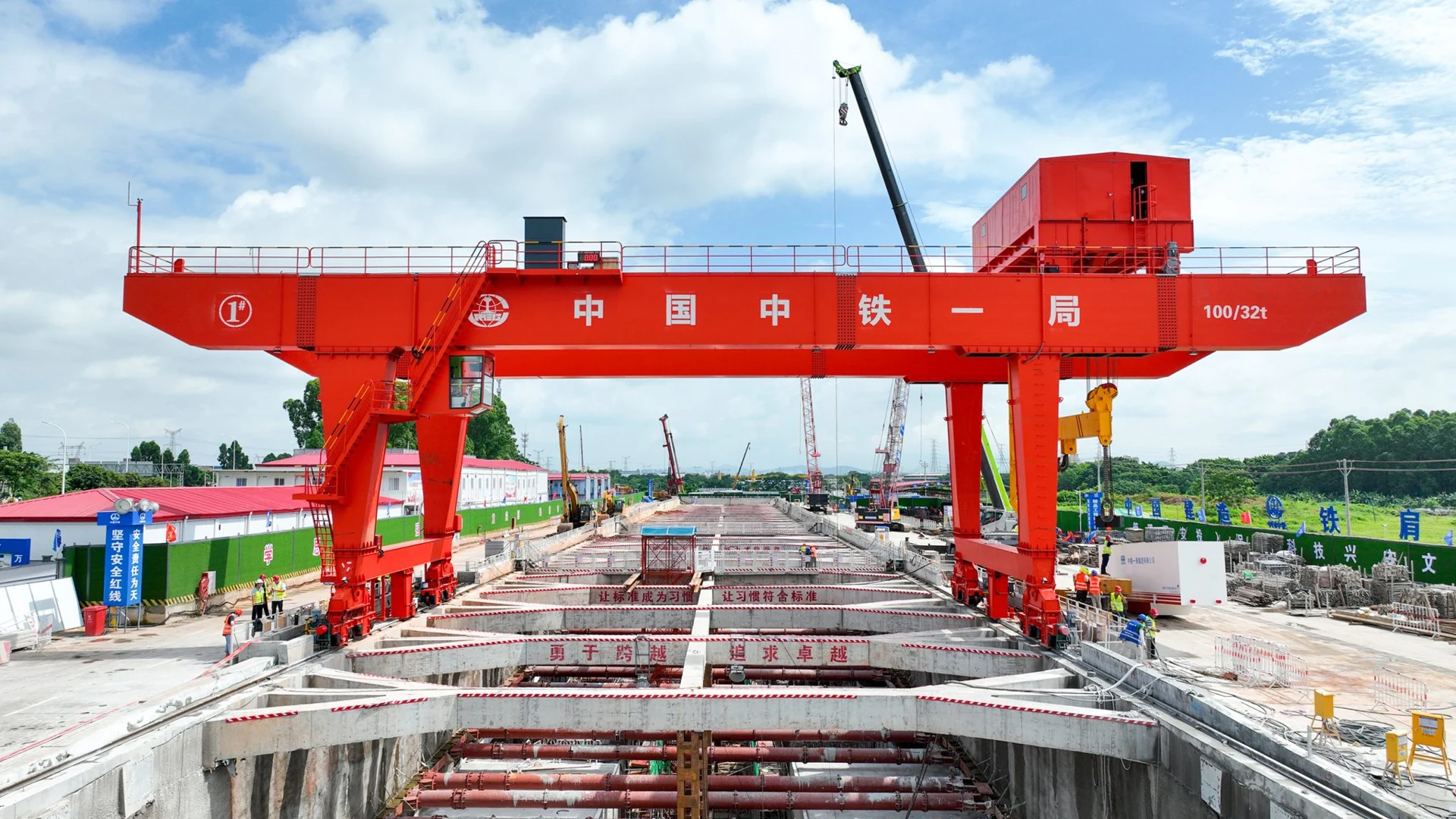
Two 100t Metro Muck-Handling Gantry Cranes for the Guangfo Ring Railway
The Guangfo Ring project uses two 100t gantries for underground-railway spoil and material handling. Their attachments reach a working depth of 40 m below rail level.
Explore this application


