
Rail-vehicle depots / Operations and maintenance
32 Crane Units for Lahore Orange Line Depot Maintenance and Vehicle Commissioning
Vehicle maintenance and commissioning at Pakistan's Lahore Orange Line rely on handling equipment within the depot and stabling yards. Henan Mine Crane Group supplied 32 assorted crane units/sets for these operational-support duties as the metro line opened to service.

- Customer project
- Lahore Orange Line metro, Pakistan
- Equipment scope
- 32 assorted crane units/sets
- Working areas
- Vehicle depot and stabling yards
- Duty
- Vehicle inspection, repair, maintenance and commissioning
- Reported stage
- Equipment supporting operations/maintenance as the line opened
- Railway context
- 27 km main line and 26 stations; not crane travel dimensions
Depot lifting supports the railway after opening
The Lahore Orange Line application concerns operations and maintenance, with all 32 crane units/sets allocated to that scope. Vehicle inspection, repair and commissioning take place at the depot and stabling-yard facilities. The cranes are part of the line's operational support rather than equipment described for building the railway alignment.
For a depot enquiry, start with the maintenance task list and the loads each task requires. Identify the vehicle position, component interface and receiving stand for the movement. That connects crane coverage to the way the maintenance team actually works.
Map lifting coverage to tracks and service positions
The Orange Line is described as a 27 km route with 26 stations, delivered within the China–Pakistan Economic Corridor programme. Those figures establish railway scale. The crane working areas are the depot and stabling yards, whose local track and building arrangements determine lifting coverage.
Provide the depot plan with track centres, inspection locations and component transfer positions. Add building sections and the required hook paths around vehicles and fixtures. Access for people and service equipment must be considered alongside the suspended-load route.
Select a mixed package from maintenance load cases
The 32-unit/set supply comprises different crane types. Capacity and configuration should therefore be assigned by maintenance duty, not assumed to be identical throughout the depot. A component-handling load list is the practical basis for developing a comparable schedule for another railway facility.
Specify gross mass, approved lifting interfaces, orientation and the receiving conditions for each task. Include how often the task occurs and whether access changes between inspection, repair and commissioning. These details allow the lifting arrangements to be reviewed against the depot's operational procedures.
Separate related Pakistan supplies from the depot package
The wider Pakistan cooperation also includes a 50 MW coal-fired power project comprising two 25 MW units in Punjab's Salt Range, and several 40 t double-girder overhead cranes for Fareed Engineering Works. Those are separate customer/project references, rather than capacities assigned to the Orange Line depot cranes.
For a new depot purchase, keep the technical scope tied to rail-vehicle maintenance loads. Agree representative handling demonstrations, inspection access and equipment documentation for that facility. Different customer references may show wider supply experience, while the depot specification must retain its own load cases and acceptance conditions.
Application photographs
See the equipment and working context.
Photographs and accompanying illustrations from this application report. Open an image for a larger view.

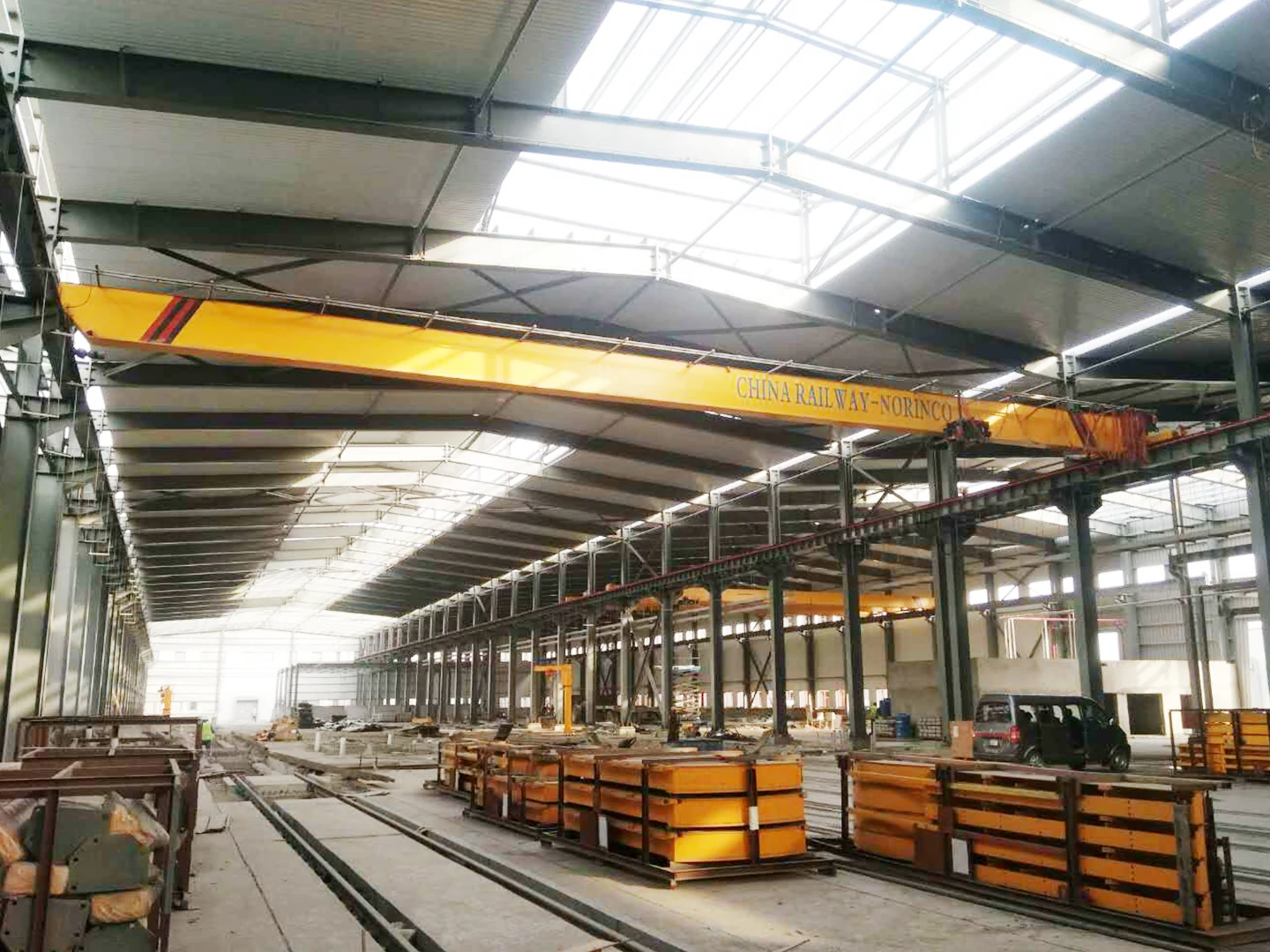

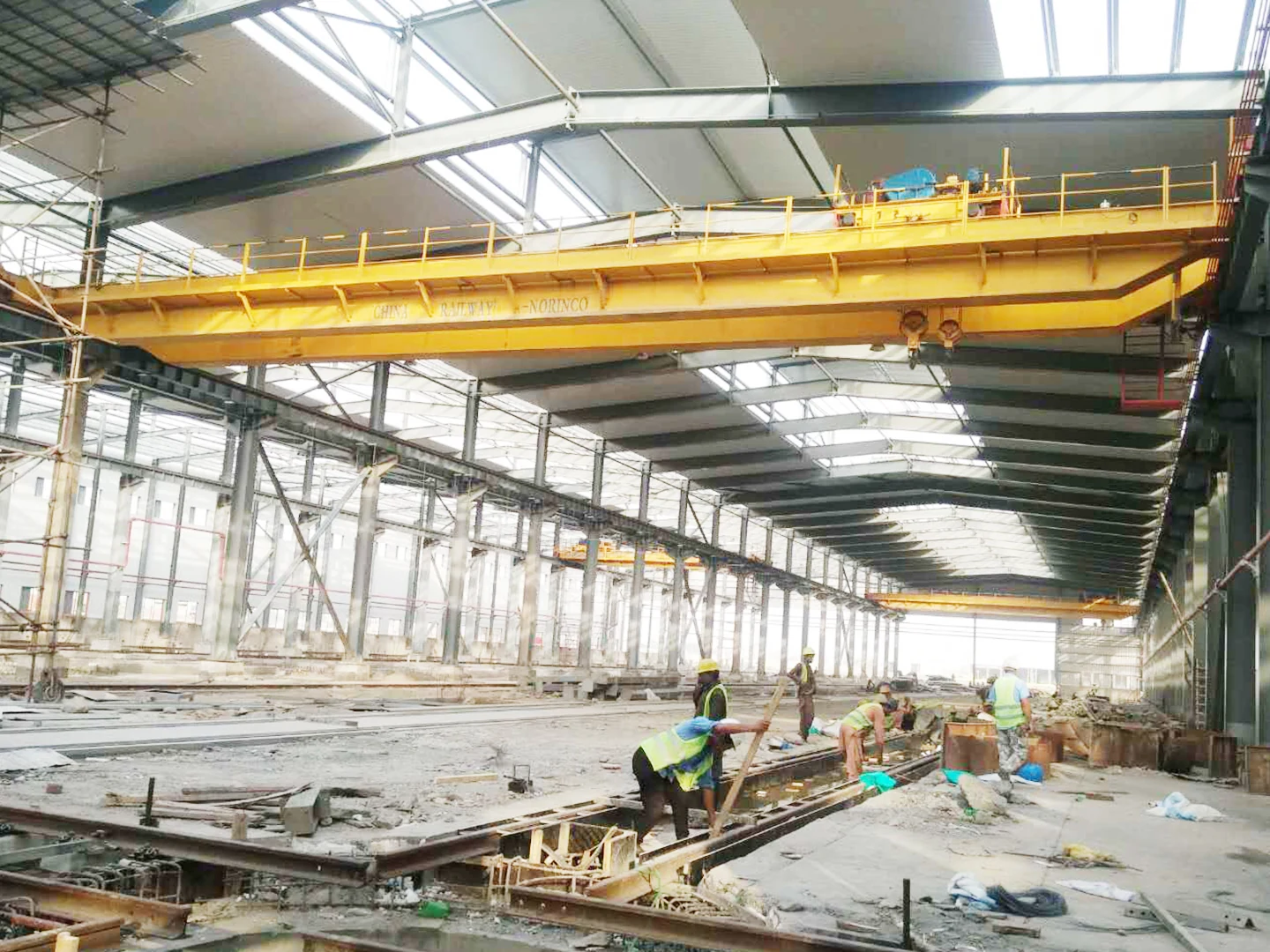
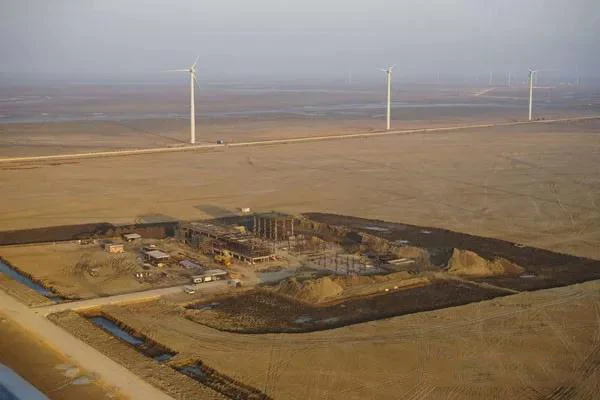


Application reference: Henan Mine Crane Group official application report. Equipment and operating advice for a new project should be specified against your load, process and site.
Start the equipment discussion
Relevant equipment families.
Compare the equipment family with your operating duty. Final attachments, controls and protection follow the application requirements.
Double girder overhead cranes
Evaluate for depot duties using component loads, supporting-building geometry and the maintenance task at each station.
View equipment options ↗Electric wire rope hoists
Review station-specific lifting mechanisms from component loads, hook paths and service requirements rather than assuming a common depot model.
View equipment options ↗Plan a similar application
Build the specification
around your operation.
Send the depot maintenance task list and track/building layout to define the crane mix and service-position coverage.
- Maintenance/inspection/commissioning tasks and component load masses
- Approved vehicle-component lifting interfaces and receiving stands
- Depot/stabling-yard plan with track centres and service positions
- Building sections, hook paths and access around vehicles
- Operating frequency, load orientations and maintenance-team procedures
- Representative acceptance lifts, inspection access and documentation needs
Before you specify
Questions for
your project.
What should a depot maintenance lift list contain?
List each component or load, its gross mass, approved lifting interface, orientation and receiving position. Connect every lift to an inspection, repair or commissioning task.
How is crane coverage checked around depot tracks?
Use the track plan, vehicle positions, building sections and required hook paths. Include component receiving stands and access needed by staff and service equipment.
Can the same crane configuration serve every maintenance position?
That depends on loads and access at each station. A mixed package should be scheduled by task, with common documentation and maintenance requirements defined separately.
Continue exploring
More construction & infrastructure applications.

500t Double-Girder Crane for Heavy Component Handling in High-Speed-Rail Construction
The 500t crane was put into use for heavy component handling on an unnamed high-speed-rail project. Synchronized hooks, anti-sway and digital/video monitoring address complex construction conditions.
Explore this application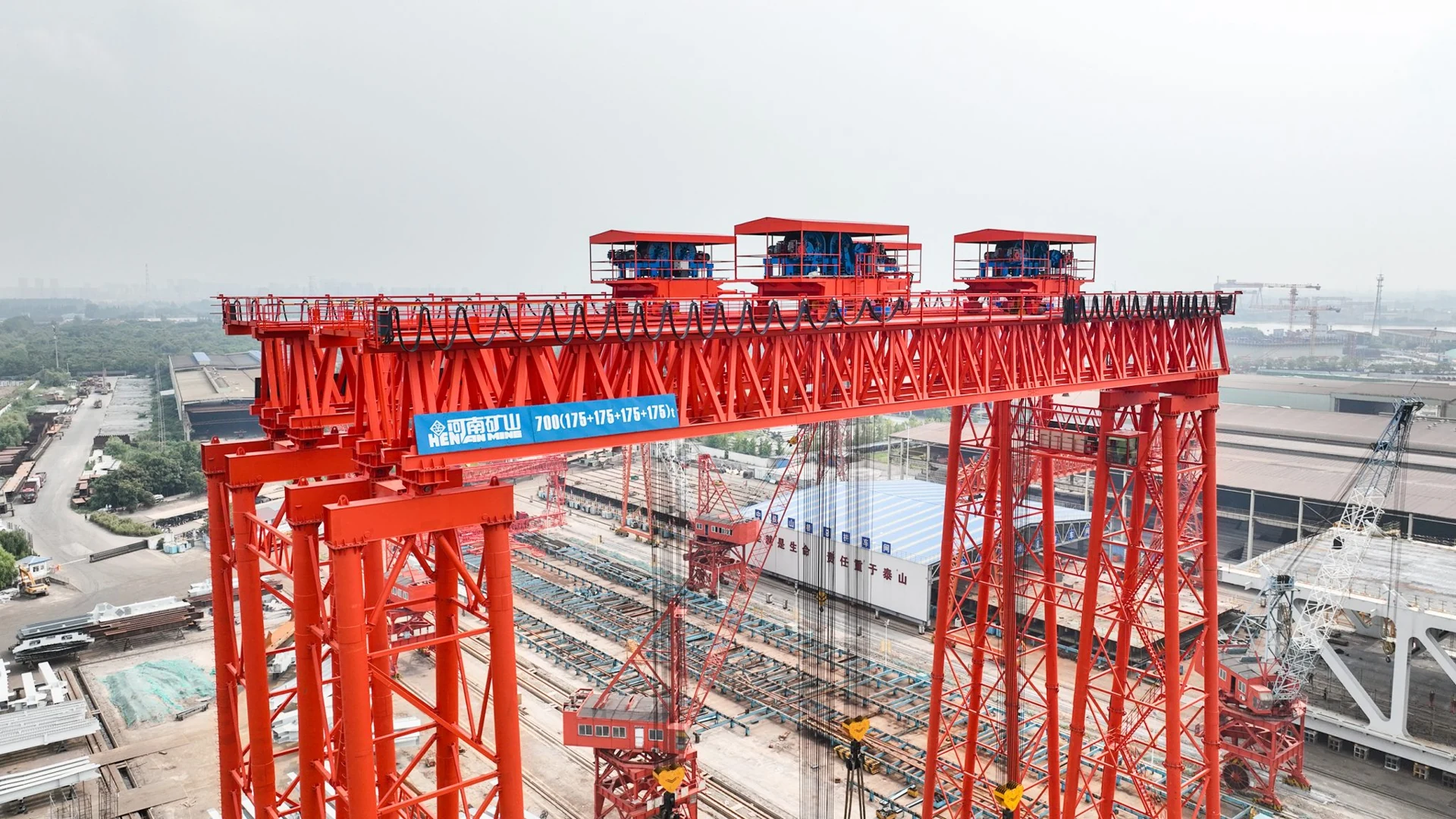
700t Gantry Crane Type Testing for Zhangjinggao Bridge Steel-Tower Construction
The 700t gantry crane passed type testing for the Zhangjinggao Yangtze River Bridge steel-tower project. It belongs to a wider crane package intended for main-tower and other bridge-structure lifting.
Explore this application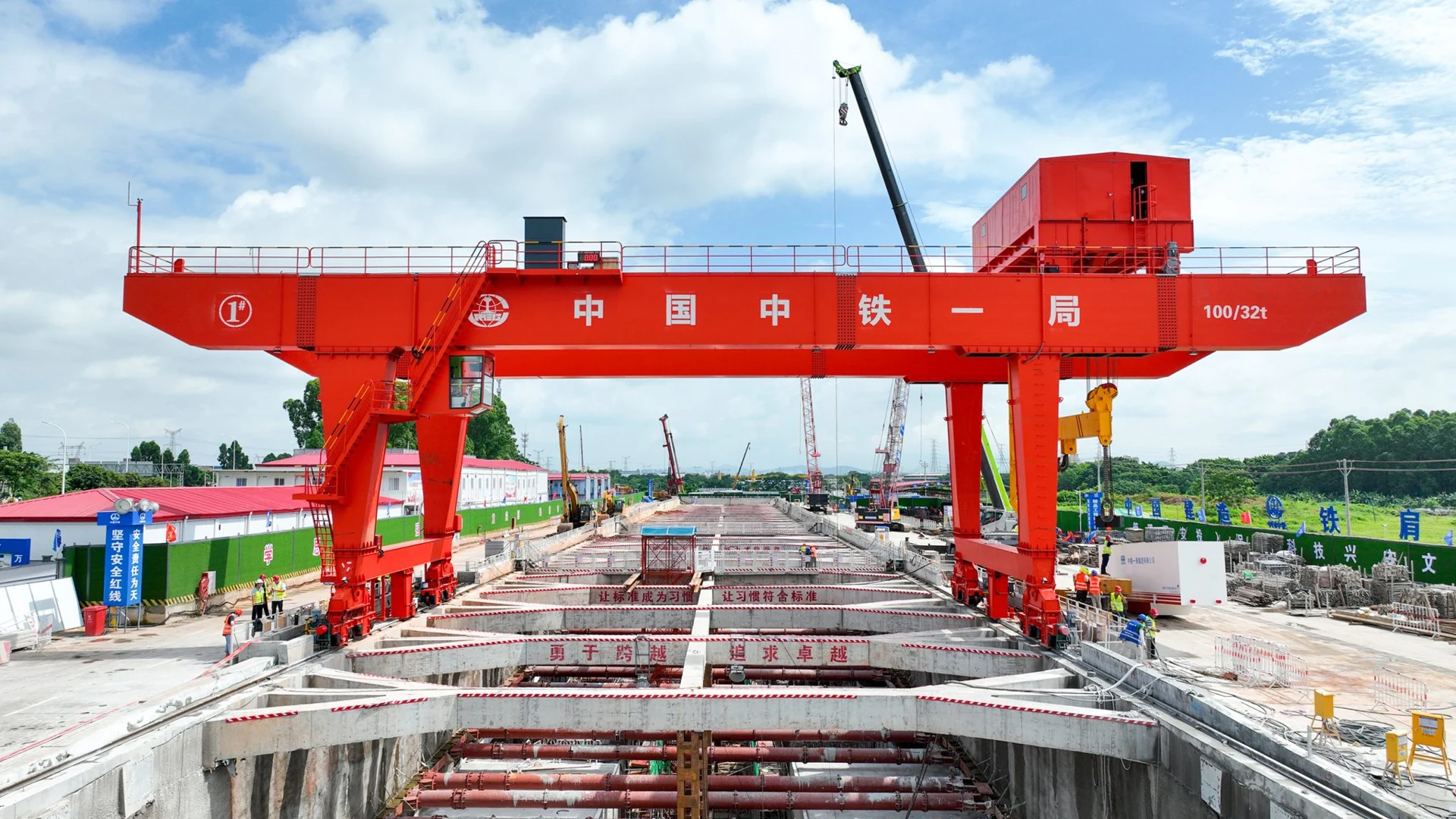
Two 100t Metro Muck-Handling Gantry Cranes for the Guangfo Ring Railway
The Guangfo Ring project uses two 100t gantries for underground-railway spoil and material handling. Their attachments reach a working depth of 40 m below rail level.
Explore this application


