
Steel plate warehousing / Factory functional tests
Intelligent Steel Plate Warehouse Crane: Recognition, Coding and Automatic Stacking
Henan Mine Crane Group built an intelligent steel-plate warehouse crane for an unnamed steel-structure company and carried out factory functional tests at its intelligent industrial park. Recognition, automatic coding and movement checks connect the plate's identity to its unloading and storage sequence.

- Customer
- Unnamed steel-structure company
- Reported stage
- Factory functional testing and acceptance checks of intelligent-control functions
- Handled material
- Steel plates in an intelligent plate-storage system
- Identification
- Vehicle recognition, plate recognition and automatic coding
- Communication
- 5G millimetre-wave communication
- Test facility
- Manufacturer's 1,200 t crane test stand; the warehouse crane's lifting capacity is not stated
Connect incoming plates to an organised material store
The crane forms part of an intelligent steel-plate storage system. Automatic unloading as plates enter the store is followed by rotation, sorting, stacking and stack reshuffling. These are connected material-flow tasks: where a plate is placed affects how it can be found and moved for the next production step.
For a steel fabricator, the useful starting point is the plate schedule and production sequence. List dimensions, mass, surface conditions and sorting rules before selecting the lifting arrangement. Those inputs define what the recognition and stack-management functions must distinguish.
Verify the functions before site integration
Factory acceptance checks covered vehicle recognition, intelligent steel-plate recognition, automatic coding, 5G millimetre-wave communication, bridge collision prevention and travel accuracy. Testing took place on the manufacturer's 1,200t crane test stand. The 1,200t figure belongs to that test facility, not the warehouse crane's lifting rating.
Use the factory-test stage to define a clear functional acceptance plan for a new project. Identify the plate conditions, vehicle positions and communication requirements to be demonstrated. Then distinguish the checks completed at the factory from those that depend on the installed warehouse and its production interfaces.
Keep identification connected to every plate movement
Vehicle and plate recognition establish checkpoints at the receiving end. Automatic coding connects identification to the handling sequence, while bridge collision prevention and travel checks address the movement itself. The warehouse workflow therefore combines information about the plate with the motion needed to place it.
Define how an incoming plate is identified and what record follows it when its stack position changes. Include the required coding format and the response to an unreadable or unexpected plate. Clear identity and exception rules give the supplier a practical basis for reviewing the proposed recognition and handling sequence.
Lay out the store around turning and reshuffling
Rotation, sorting, stacking and reshuffling require a layout that supports more than a direct lift from a truck. Show how the crane reaches each storage area and how plates move when a required item is covered by other stock.
Provide unloading positions, maximum stacks and production priorities with the intended plate range. Review lifting interfaces and turning clearances against that drawing. The required sequence can then be assessed as a warehouse process rather than a set of unrelated automatic features.
Match the concept to the fabrication business
Structural-steel fabrication, bridge engineering and high-rise construction are identified as potential uses for the plate-storage concept. The tested equipment was built for a steel-structure company; a new application should be reviewed around its own inventory and production demand.
Agree the division between crane supply, plate attachment, communication and material-management responsibilities. The purchase specification should connect the handling sequence to representative acceptance cases, with travel and placement requirements stated for the actual load and warehouse.
Application photographs
See the equipment and working context.
Photographs and accompanying illustrations from this application report. Open an image for a larger view.
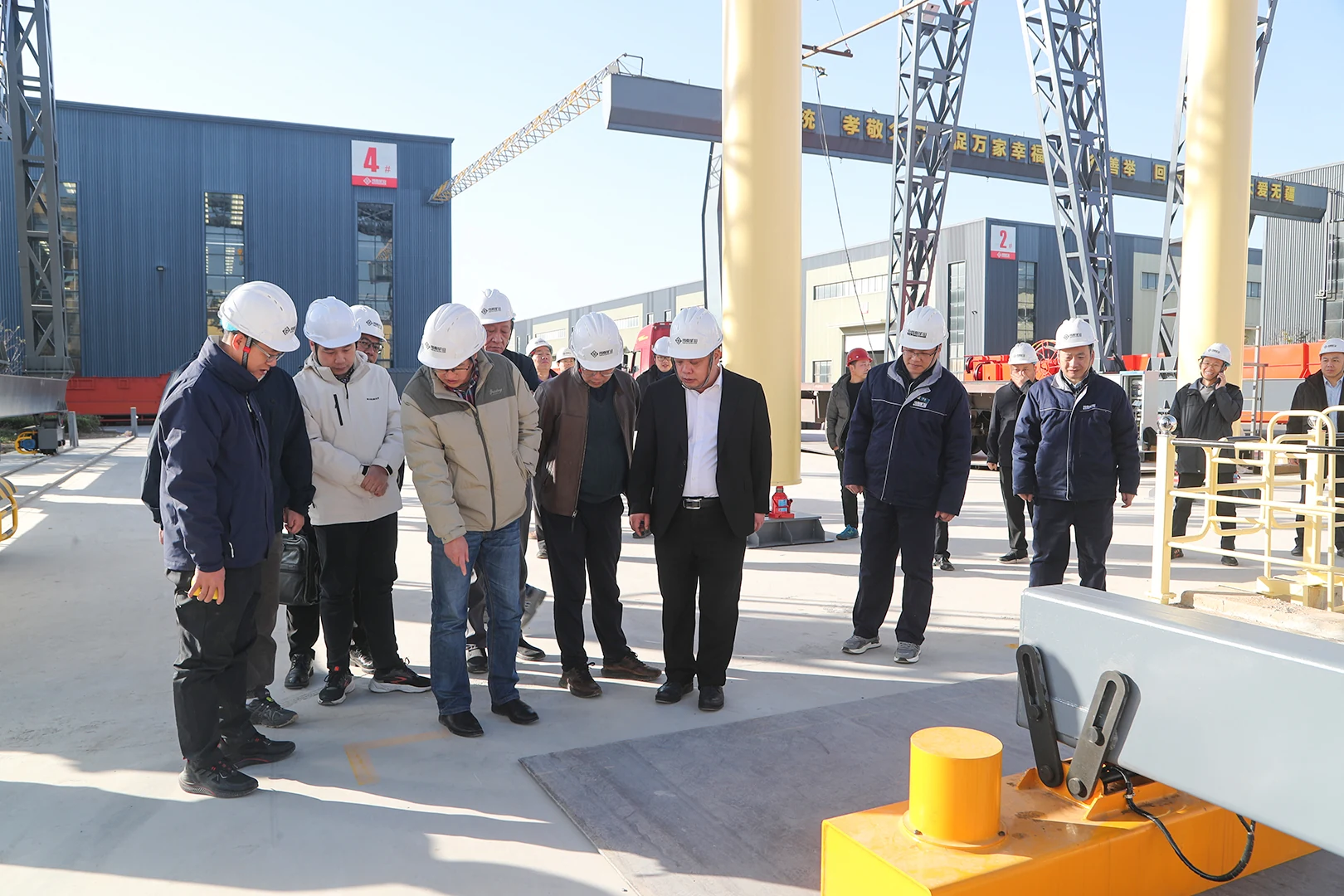


Application reference: Henan Mine Crane Group official application report. Equipment and operating advice for a new project should be specified against your load, process and site.
Start the equipment discussion
Relevant equipment families.
Compare the equipment family with your operating duty. Final attachments, controls and protection follow the application requirements.
Double girder overhead cranes
Evaluate the bridge configuration against plate mass, coverage and the required automatic movements.
View equipment options ↗Lifting attachments
Select a plate-compatible interface after confirming material, surface and turning requirements.
View equipment options ↗Plan a similar application
Build the specification
around your operation.
Send the plate inventory and warehouse flow so the recognition, handling and acceptance scope can be defined together.
- Plate dimension and mass ranges, surface conditions and permitted lifting interfaces
- Incoming vehicle positions, unloading sequence and plate-identification method
- Stack layout, maximum stack height and plate sorting priorities
- Required rotation, reshuffling and retrieval movements
- Warehouse communication interfaces, coding format and exception-handling rules
- Functional acceptance cases, travel tolerances and site commissioning responsibilities
Before you specify
Questions for
your project.
What plate information is needed for an automated store?
Send dimensions, mass, surface conditions, permitted lifting interfaces and sorting priorities. Include the range of stock and how it arrives at the receiving area.
How should we plan factory and site acceptance?
List the functions and representative cases, then assign checks to the factory or installed warehouse. Define the customer-system interfaces and responsibilities at each stage.
What should the warehouse layout show?
Include vehicle positions, storage stacks, required turning space, crane coverage and how covered plates are reshuffled or retrieved for production.
Continue exploring
More warehousing & logistics applications.
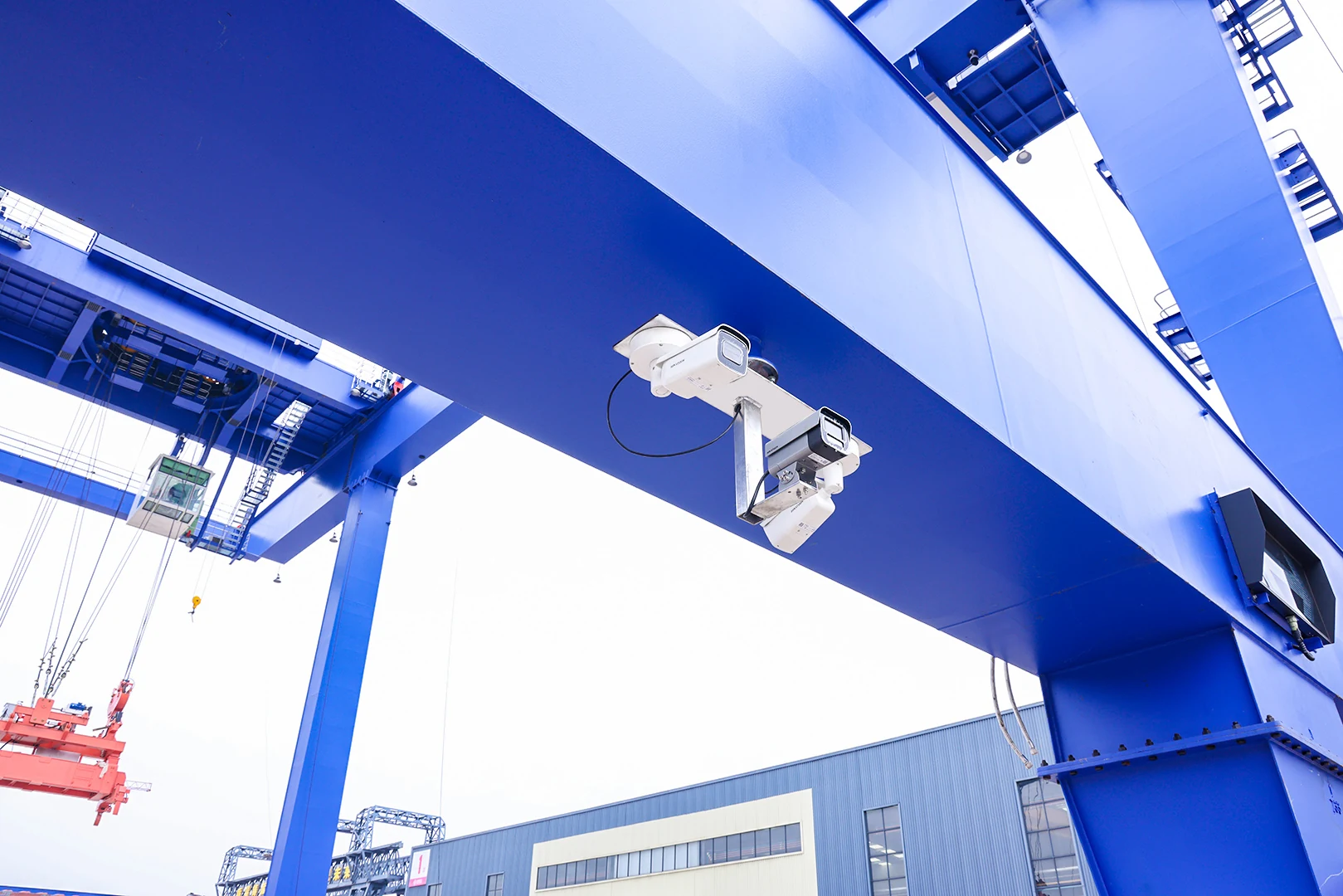
A8 Automated Container Gantry Crane for a Cold-Climate Railway Project
The container gantry completed load testing for an unnamed overseas railway project. Its A8 duty and -40°C design basis are paired with variable-frequency drives, energy feedback, ACCS control and GPS positioning.
Explore this application
Container Gantry Crane for Wanli Smart Inland Port
Delivered into use at Wanli Smart Inland Port, the rail-mounted gantry supports container-yard movements. RCMS, automatic container seeking and spreader guidance connect supervision with the handover task.
Explore this application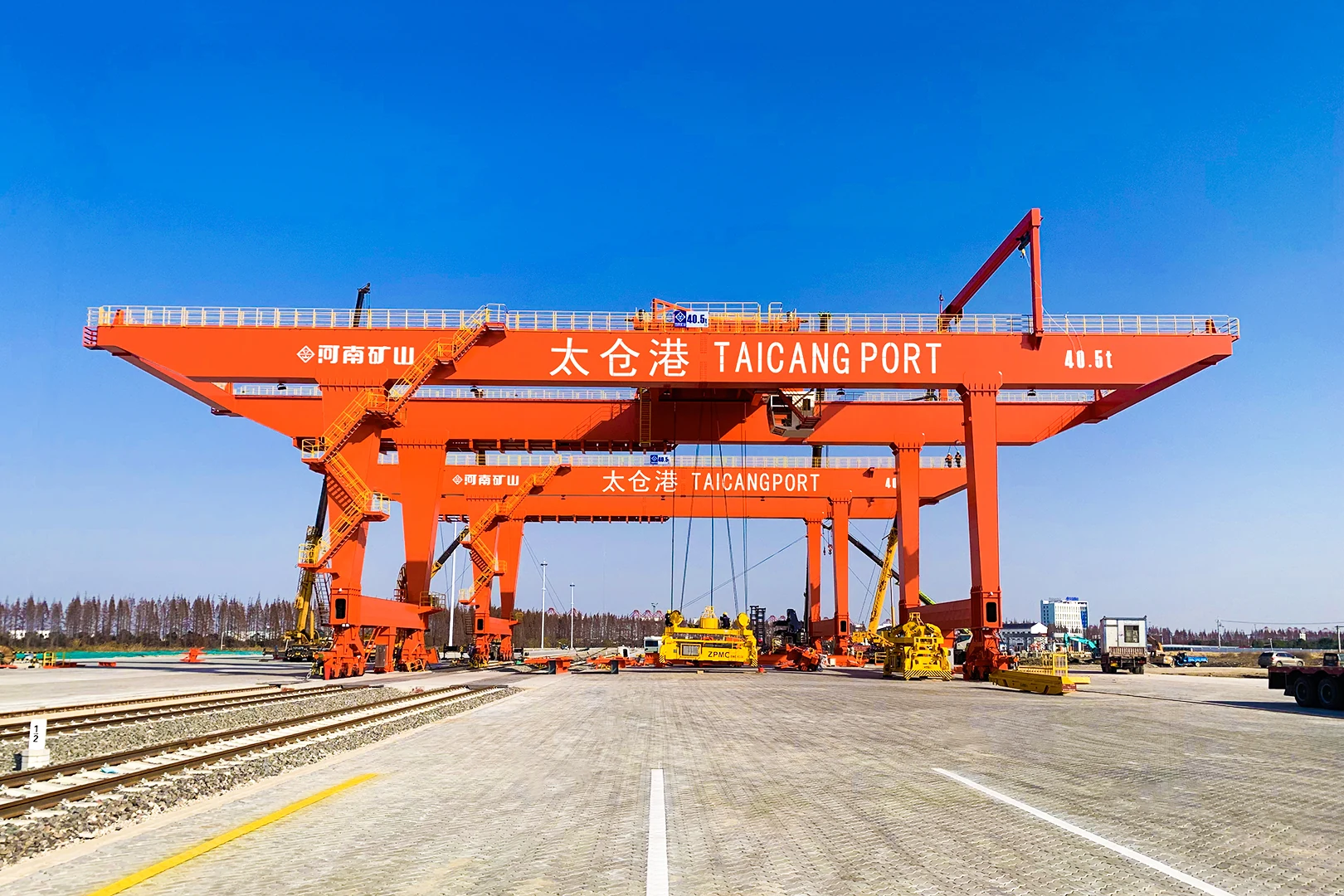
Two Rail-Mounted Container Gantry Cranes for Taicang Port
Two rail-mounted gantries were delivered for Taicang Port's container-yard operations. Ring trolleys and interchangeable upper/lower spreader structures support different goods-handling needs.
Explore this application


