
Railway logistics / Load-test milestone
A8 Automated Container Gantry Crane for a Cold-Climate Railway Project
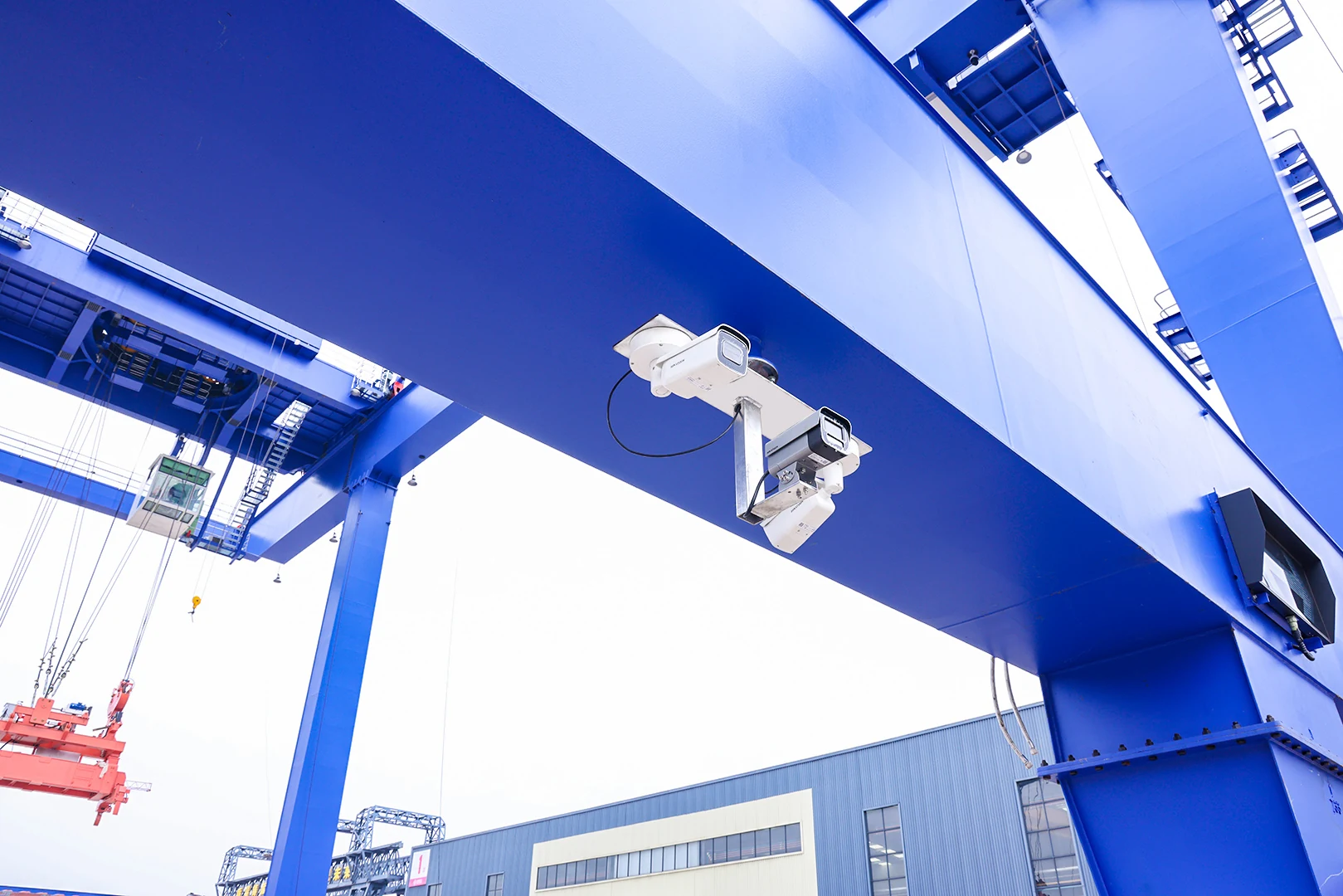
Henan Mine Crane Group completed load testing of an automated container gantry crane for an unnamed overseas railway project. Designed for A8 heavy-duty work in a high-latitude cold climate, the equipment supports container handling at a stated ambient condition of -40°C.
- Application
- Unnamed overseas railway project
- Equipment
- Automated container gantry crane
- Duty classification
- A8
- Cold-climate basis
- Operation at -40°C
- Drive system
- Full variable-frequency drives with energy feedback
- Automation
- ACCS control and GPS positioning
- Project stage
- Load testing completed
Start with the railway yard's cold-weather duty
This crane was developed for high-frequency container loading and unloading at an overseas railway project. A8 duty, special materials and a -40°C operating basis address the combination of intensive work and a high-latitude cold climate.
For a comparable yard, provide the temperature range and how the equipment will be used through seasonal conditions. The operating schedule, idle periods and required movements should be reviewed with the environmental basis. This connects cold-weather design to the actual container-handling task rather than treating a minimum temperature as the entire specification.
Match repeated movements to the required throughput
The configuration is intended for frequent cycles and high-speed movement. A useful yard specification connects those movement requirements to actual pick-up, stacking and handover positions so travel distances and operating conditions are understood.
The project account gives a threefold efficiency comparison with an ordinary container gantry, without a defined baseline. For your purchase, agree a cycle or throughput requirement with the yard layout, load condition and test method stated. That provides a practical basis for comparing proposals without converting a historical comparison into a new-project promise.
Integrate drives, energy feedback and automation
Full variable-frequency drives and an energy-feedback system are combined with ACCS automated control and GPS positioning. The arrangement supports automated container movement, visualisation of crane operating state and integration of logistics information.
Define which part of the handling sequence needs automation and which information the logistics system exchanges with the crane. Include readiness signals, job assignment and completion records. The proposed system should explain how movement control and information flow work together under the customer's operating rules.
Use the load test as a defined project milestone
Completed load testing is the milestone for this equipment. It provides a concrete stage in the delivery process; the next project's installation, site integration and operational acceptance should each have their own responsibilities and demonstrations.
Develop the acceptance schedule early. Identify representative loads, required motions, cold-weather conditions and automation functions to be checked at the appropriate stage. Factory test records and site operating demonstrations serve different purposes and should be linked through an agreed handover plan.
Prepare an overseas railway enquiry
This application sits within Henan Mine Crane Group's wider overseas supply activity, which also includes separate references in Pakistan waste-heat power, Congo mining, Bangladesh power generation and Serbian copper operations. Those projects provide background, while this crane's requirements remain railway container handling and cold-climate operation.
Send the yard geometry, container mix and operating conditions together. A clear schedule should distinguish lifting load, duty, environmental requirements and automation interfaces. It will help the supplier develop a proposal that fits the railway terminal's real movement pattern.
Procurement review
Agree the cold-climate verification plan before ordering
The featured container gantry completed load testing and has a stated -40°C operating basis. For your terminal, connect the environmental design, repeated handling cycle and automation acceptance to a written verification plan.
Swipe across the table to view all columns.
| Review item | Include in your procurement pack | Decision it supports |
|---|---|---|
| Environmental design | Operating, standby and storage temperatures; selected material and component suitability; heating, lubrication, warm-up and idle-period arrangements. | Check the complete cold-weather package against the terminal environment. |
| Factory demonstrations | Agreed load cases and motions, brake and limit functions, control modes, automation sequence and the conditions under which each test is performed. | Identify what is demonstrated at the factory and which conditions need separate evidence. |
| Terminal integration | Yard coordinates, container and vehicle handovers, job data, readiness signals, exception handling and the responsibilities for site demonstrations. | Connect ACCS and positioning functions to the terminal operating process. |
| Measured performance | A defined route, gross load, start/end condition, operating mode and repeatable measurement method for any cycle or throughput target. | Make competing performance proposals comparable for your actual yard. |
Record the temperature and operating conditions for every demonstration. Use the selected configuration and agreed test method when reviewing load capacity, environmental suitability and handling performance.
Application photographs
See the equipment and working context.
Photographs and accompanying illustrations from this application report. Open an image for a larger view.


Application reference: Henan Mine Crane Group official application report. Equipment and operating advice for a new project should be specified against your load, process and site.
Start the equipment discussion
Relevant equipment families.
Compare the equipment family with your operating duty. Final attachments, controls and protection follow the application requirements.
Rail-mounted container gantry cranes
Evaluate where the proposed railway-yard and runway arrangement fits this equipment family.
View equipment options ↗Double-girder gantry cranes
Review the required structure, duty and cold-weather design basis against the customer's terminal layout.
View equipment options ↗Plan a similar application
Build the specification
around your operation.
For a cold-climate container-yard proposal, provide:
- Container sizes, maximum gross masses and required spreader interfaces.
- Rail-yard layout, working span, travel route and stacking or handover geometry.
- Operating hours, target cycles and representative loaded travel distances.
- Minimum/maximum temperature, cold starts, wind and other exposure conditions.
- Required automation sequence, terminal-system signals and operator responsibilities.
- Applicable design basis, test records and factory/site acceptance requirements.
Before you specify
Questions for
your project.
What data helps select a cold-climate container crane?
Send the yard layout, gross container loads, operating schedule and full environmental range. Include how the crane will start, work and stand idle during cold periods.
How should throughput be specified?
Define the route, container condition and operating assumptions, then agree a cycle or throughput test. This makes competing speed and productivity proposals comparable.
How do we plan automation acceptance?
List the required functions and information exchanges, then assign demonstrations to factory testing and site integration. Agree responsibilities and records for each milestone.
Continue exploring
More warehousing & logistics applications.

Intelligent Steel Plate Warehouse Crane: Recognition, Coding and Automatic Stacking
Henan Mine Crane Group tested an intelligent warehouse crane built for a steel-structure company. The reported functions connect plate recognition and coding with automatic unloading, turning and stack management.
Explore this application
Container Gantry Crane for Wanli Smart Inland Port
Delivered into use at Wanli Smart Inland Port, the rail-mounted gantry supports container-yard movements. RCMS, automatic container seeking and spreader guidance connect supervision with the handover task.
Explore this application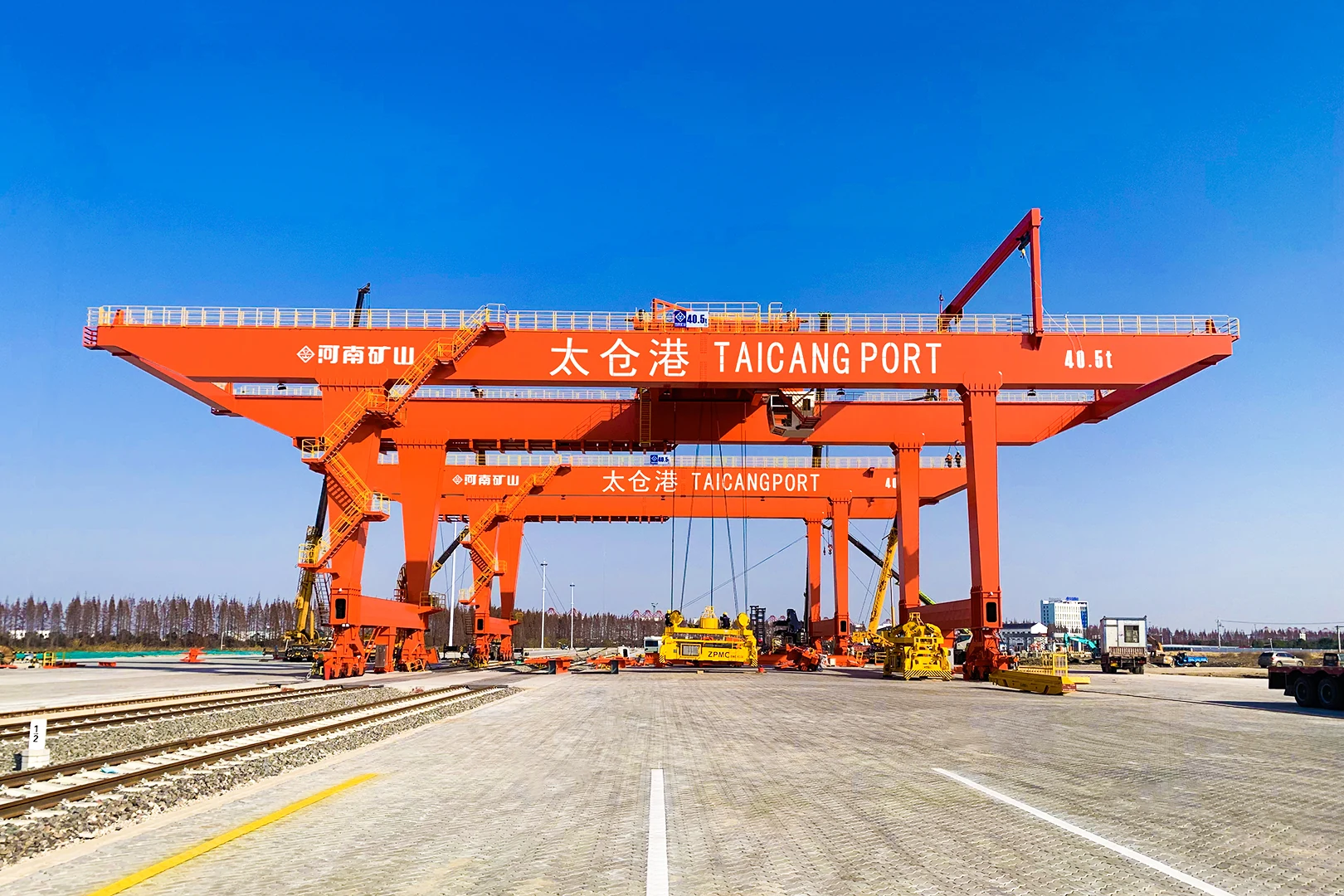
Two Rail-Mounted Container Gantry Cranes for Taicang Port
Two rail-mounted gantries were delivered for Taicang Port's container-yard operations. Ring trolleys and interchangeable upper/lower spreader structures support different goods-handling needs.
Explore this application


