
Coking production / Delivered into use
Intelligent Coke-Pot Crane for Jiujiang Coking
Jiujiang Coking received an intelligent coke-pot crane developed for red-hot coke radiation and flame exposure. The in-use configuration combines automatic positioning and wireless video with centralized electrical control, mechanical assisted anti-sway and a lifecycle management platform.

- Customer
- Jiujiang Coking
- Equipment
- Intelligent coke-pot crane
- Site challenge
- Red-hot coke radiation and flame exposure
- Position and supervision
- Automatic positioning with wireless video
- Motion coordination
- Centralized electrical control and mechanical assisted anti-sway
- Maintenance information
- State monitoring, operating records, traceable fault alarms and remote online commissioning
- Project stage
- Delivered into use
Handle the coke pot in a hot process environment
The Jiujiang application was developed around the operating conditions of a coking plant, including intense radiation from red-hot coke and exposure to flame. These conditions affect how a crane is assessed even before its lifting capacity and bay dimensions are finalised.
For a similar project, identify the heat sources and where the equipment travels relative to them. Include exposure duration and the load's condition at each station. A route drawing with this information helps the engineering team consider the process environment together with the pot geometry and operating sequence.
Position the vessel with remote visibility
Automatic positioning and wireless video monitoring support interaction between the operator and the equipment. The functions connect motion with a view of the handling task, which matters when a coke pot approaches its receiving position.
Specify what needs to be visible during engagement, movement and handover. Identify the required placement condition and any surrounding clearances. The proposed operator interface and camera coverage should be reviewed around those critical steps so the supervision arrangement follows the actual process.
Combine centralized control with anti-sway
Centralized electrical control and mechanical assisted anti-sway work together to support stable crane movement. The design and manufacture account for the coking environment and the requirements of the production process.
A useful enquiry gives the pot's dimensions, lifting points and loaded centre of gravity, together with the full travel path. Where the pot must align with a station, provide the available space and required handover orientation. These inputs connect the mechanical anti-sway concept to the controlled movement the plant needs.
Use lifecycle information for maintenance decisions
The lifecycle management platform monitors operating state and records running data. It also supports tracing fault-alarm information and remote online commissioning. This gives maintenance discussion a concrete information scope beyond a display in the operator's area.
Decide which event records the plant needs, who reviews them and how remote technical work is authorised and coordinated with local personnel. Include network interfaces and access responsibilities in the proposal. Clear procedures help the monitoring and remote-support functions fit the customer's maintenance organisation.
Translate the reference into your pot and bay
The Jiujiang crane is a delivered, in-use reference for intelligent coke-pot handling. It is separate from another unnamed project containing two automated coke-pot cranes. Its value for a purchaser is the combination of hot-process adaptation, controlled movement, supervision and lifecycle information.
Prepare the process route and operating responsibilities before discussing a final equipment selection. Agree the desired placement behavior, duty cycle and acceptance demonstration for the new installation. Set the rating and any numerical performance requirements from your own load and process data.
Application photographs
See the equipment and working context.
Photographs and accompanying illustrations from this application report. Open an image for a larger view.
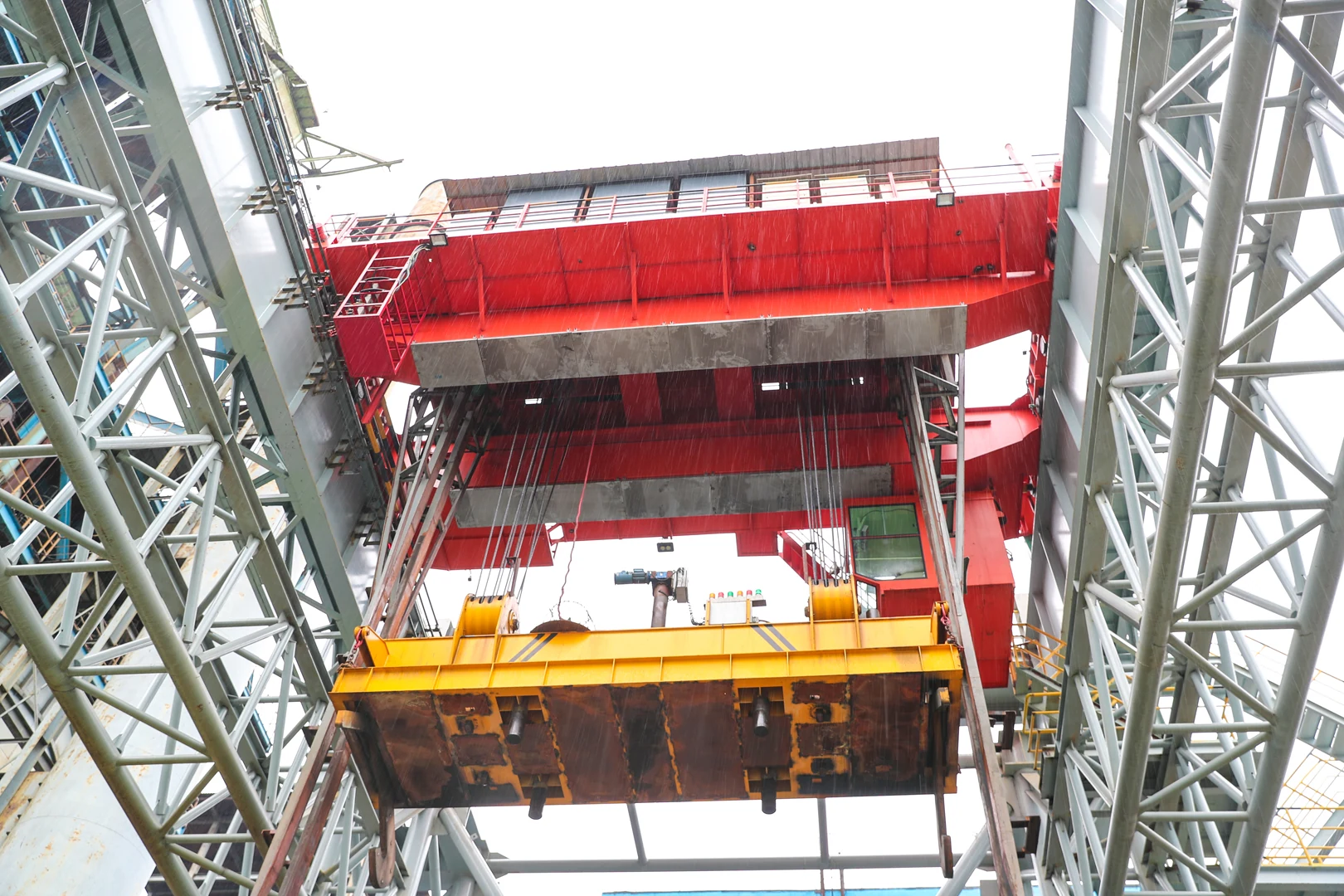
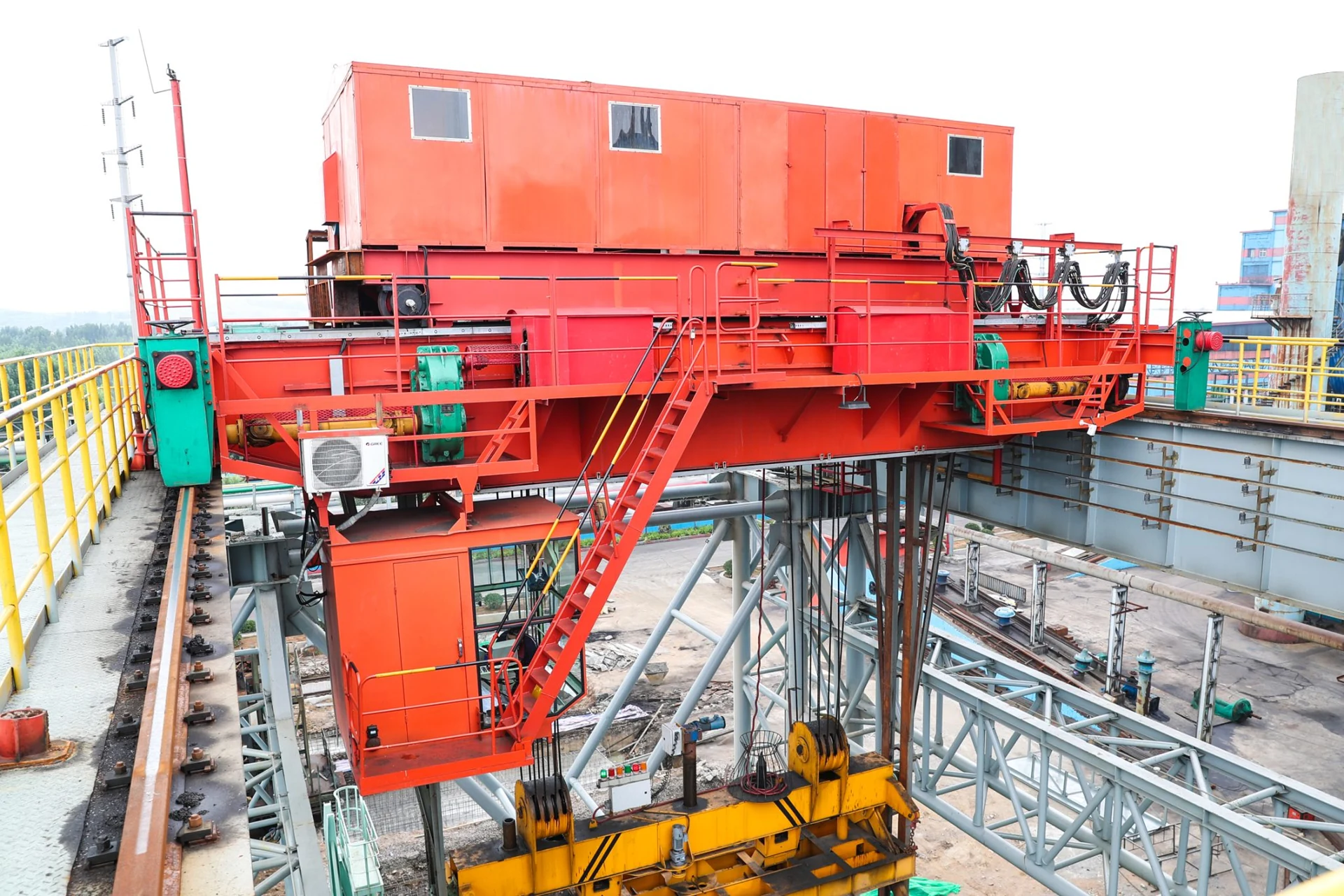
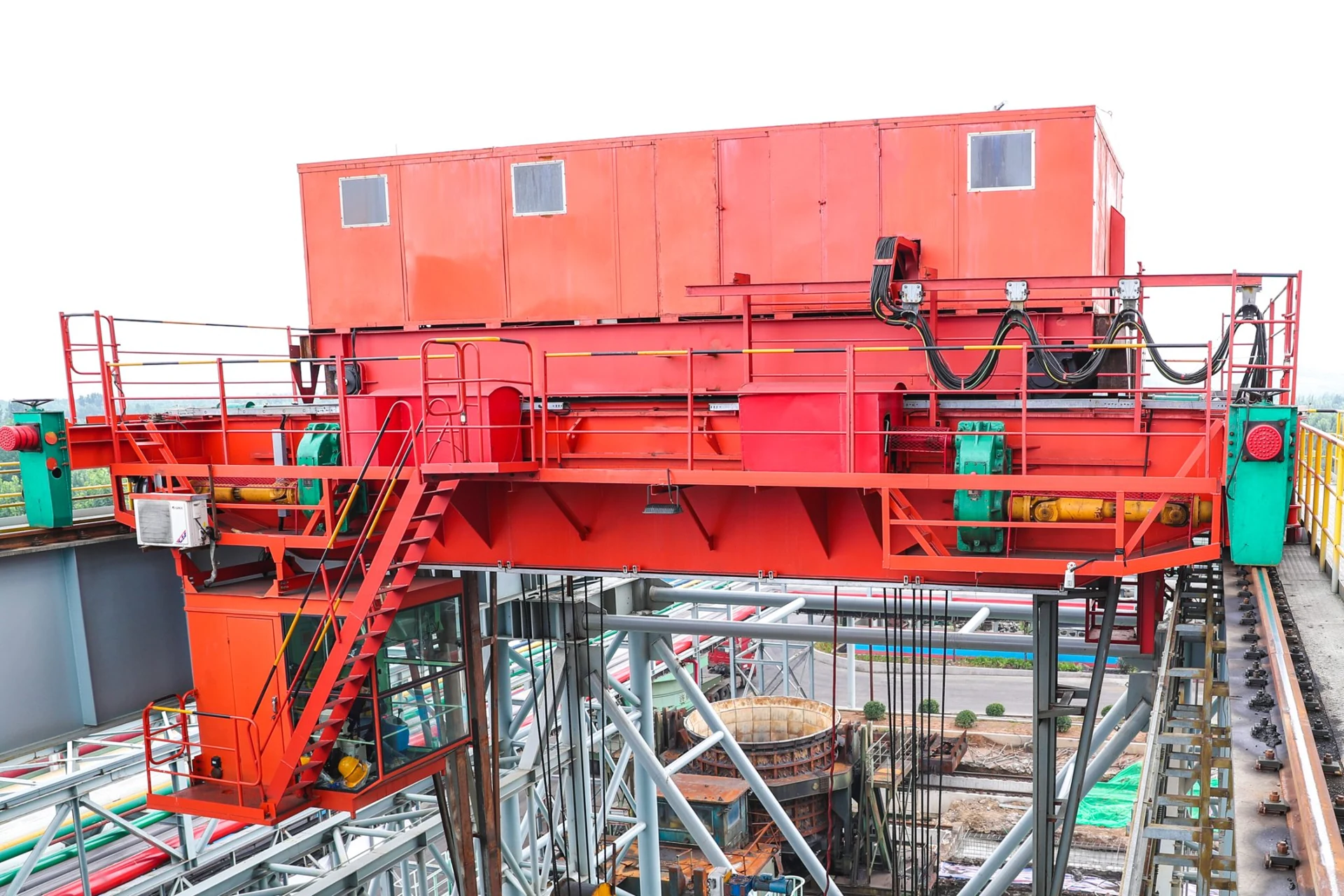
Application reference: Henan Mine Crane Group official application report. Equipment and operating advice for a new project should be specified against your load, process and site.
Start the equipment discussion
Relevant equipment families.
Compare the equipment family with your operating duty. Final attachments, controls and protection follow the application requirements.
Double-girder overhead cranes
Assess a process-specific arrangement against the coke-pot load, route and thermal duty.
View equipment options ↗Process lifting attachments
Select the engagement arrangement from the actual pot lifting interface and operating sequence.
View equipment options ↗Plan a similar application
Build the specification
around your operation.
For an intelligent coke-pot crane suited to your process, provide:
- Pot drawings, lifting interface, maximum gross load and centre of gravity.
- Temperature and flame/radiant-heat exposure along the operating route.
- Station locations, travel paths, lifting range and required handover orientation.
- Runway/building sections and clearances around pot engagement and placement.
- Cycle frequency, supervision locations and desired automatic/manual operating modes.
- Operating-data records, alarm handling, remote-support interfaces and acceptance conditions.
Before you specify
Questions for
your project.
How should we describe heat exposure in the enquiry?
Locate the heat and flame sources on the route drawing and give the expected temperatures, exposure duration and operating conditions at each station.
What helps define camera and operator-interface coverage?
Identify critical engagement, travel and handover steps, what the operator must see and what information is needed when movement is paused.
How do we specify useful lifecycle monitoring?
Define the operating states, event records and alarms your team needs, then agree data access, review responsibilities and the procedure for remote technical support.
Continue exploring
More steel & metallurgy applications.

100+ Crane Package for a Southeast Asian Steelworks
More than 100 mixed cranes serve production, material transfer and a port scrap yard at an unnamed Southeast Asian steelworks. The package combines different crane and attachment arrangements for different loads.
Explore this application
Automated Feeding Cranes for an Ulanqab Ferrochrome Project
Several automated metallurgical cranes were developed for a ferrochrome project in Ulanqab, Inner Mongolia. Remote centralized control coordinates hooking, unhooking and material feeding.
Explore this application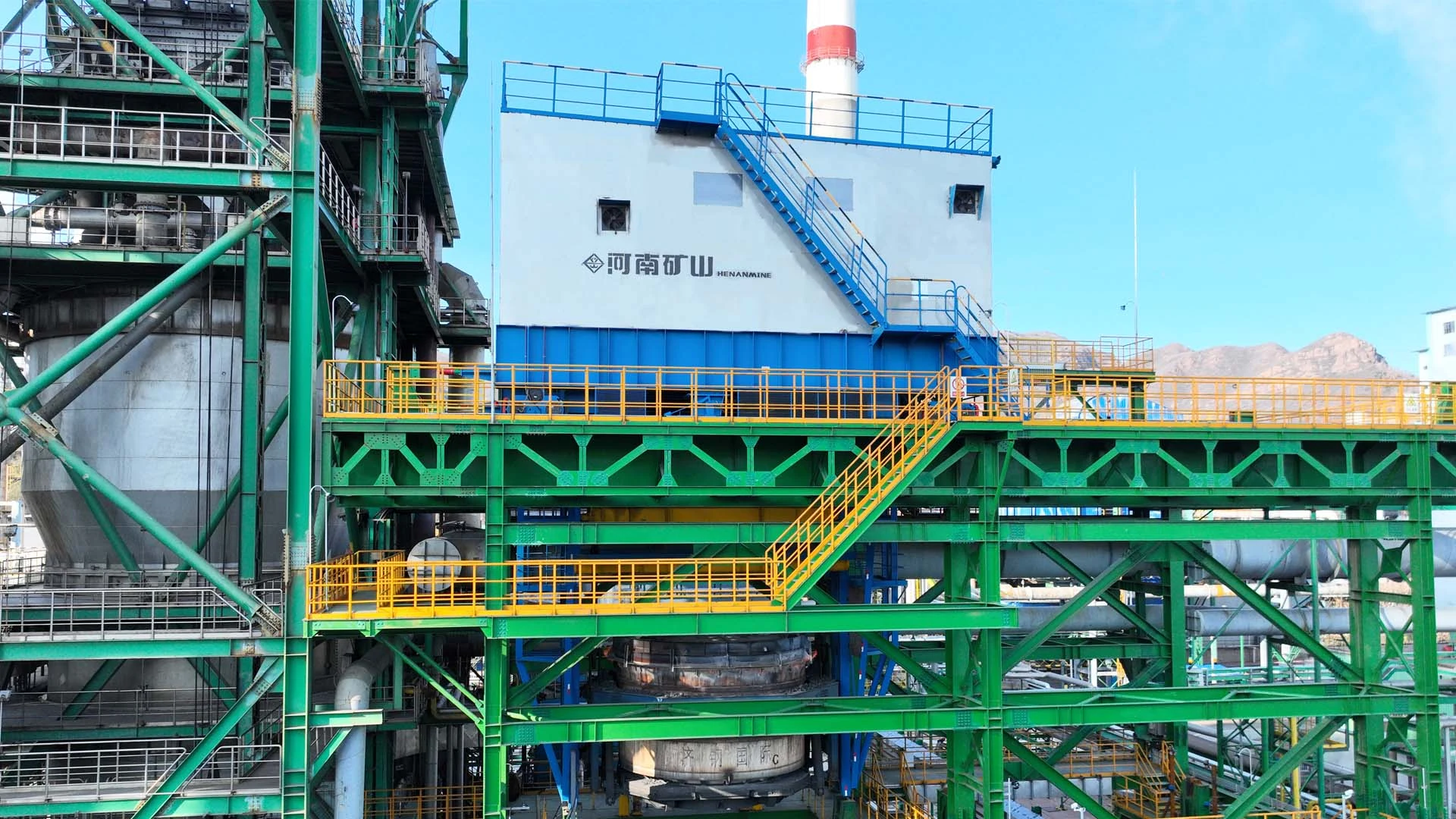
Two Automated Coke-Pot Cranes for a Coking Process
Two automated coke-pot cranes were developed for an unnamed domestic coking customer. The configuration combines variable-frequency motion, remote video and mechanical anti-sway.
Explore this application


