
Coking production / In-use application
Two Automated Coke-Pot Cranes for a Coking Process
Henan Mine Crane Group developed two automated coke-pot cranes for an unnamed domestic coking enterprise and brought them into use. Crane-wide variable-frequency drives, remote video and human-machine interaction work with centralized electrical control and mechanical assisted anti-sway.
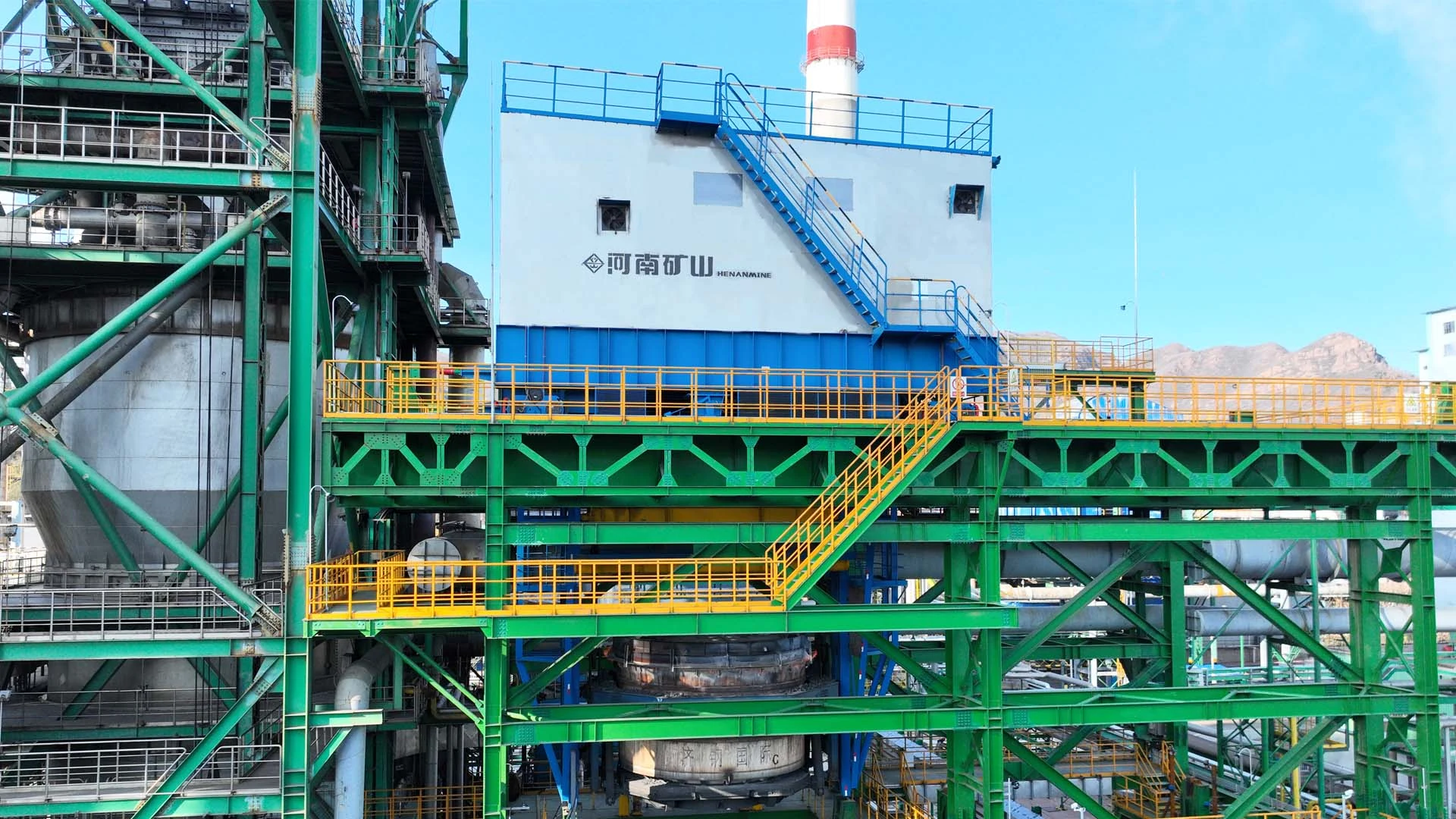
- Equipment
- Two automated coke-pot cranes
- Customer
- Unnamed domestic coking enterprise
- Motion control
- Crane-wide variable-frequency speed control
- Supervision
- Remote video and human-machine interaction
- Load-motion control
- Centralized electrical control with mechanical assisted anti-sway
- Reported stage
- Put into use
Build the handling sequence around the coke pot
Two crane units serve this coking-process application. The project follows the separate Jiujiang Coking intelligent coke-pot reference, extending experience with process-specific vessel movement to another customer.
A coke pot has a defined engagement interface and a route between process stations. Start your enquiry with the pot drawing, loaded mass and handover sequence. Those details give the engineering team the basis for assessing the crane and its attachment together, including access at both ends of the movement.
Control movement with variable-frequency drives
Crane-wide variable-frequency speed control supports the positioning and travel functions of the equipment. Controlled movement matters where the pot approaches a receiving position or passes through a restricted part of the route.
Describe travel distances, lifting range and the behavior required near the handover. The proposed motion profile should be evaluated with load stability and the process cycle. Capacity, speed and route cannot be selected independently when the same suspended vessel must arrive ready for the next operation.
Supervise the automatic cycle remotely
The normal sequence is described as automated without human intervention, using remote video monitoring and human-machine interaction. This gives operators a supervision interface while the handling task follows its automatic sequence.
Define what operators need to see and which actions they may take when the cycle pauses. A new operating plan should distinguish automatic movement, permitted manual commands and fault recovery. Video coverage and HMI information should be considered around the critical pick-up and receiving positions rather than added as isolated accessories.
Coordinate electrical control and mechanical anti-sway
Centralized electrical control works with mechanical assisted anti-sway to support smooth coke-pot movement. The combination brings the crane's motion commands and the suspended-load behavior into the same design discussion.
Show the pot's geometry, lifting points and full movement envelope. At station entry or alignment points, identify the available clearance and required placement condition. These inputs allow the proposed mechanical arrangement and control sequence to be reviewed against your specific route.
Specify the coking duty before selecting the family
The equipment was customised around the operating needs and production process of the coking industry. For your installation, the pot load, thermal exposure, operating frequency and station interfaces should lead the specification.
Prepare an acceptance plan covering the normal cycle and the agreed recovery situations. The two-crane reference establishes the configuration and operating application; a proposal for your plant should set its own capacity, span, positioning conditions and supervision requirements.
Application photographs
See the equipment and working context.
Photographs and accompanying illustrations from this application report. Open an image for a larger view.
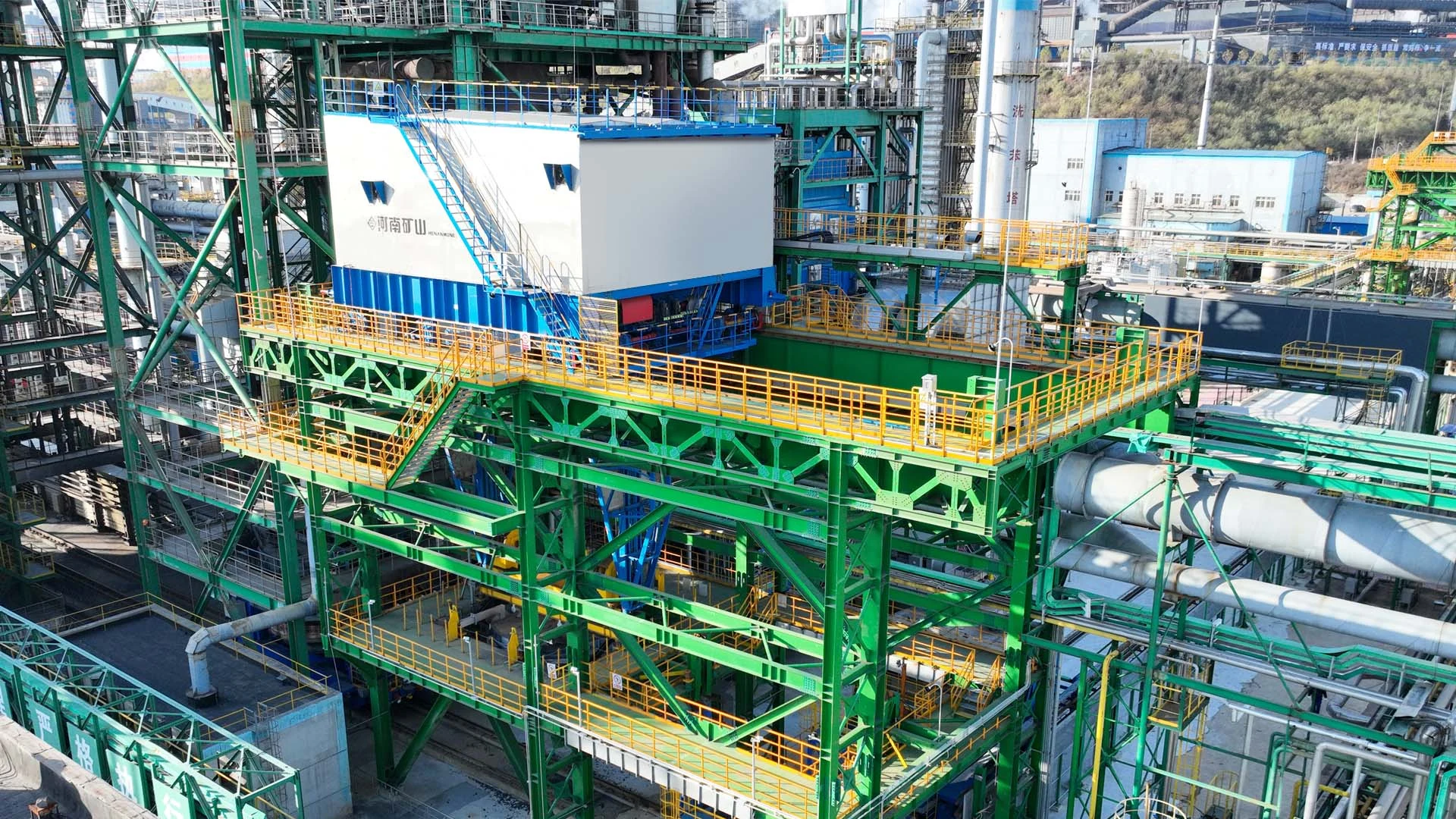
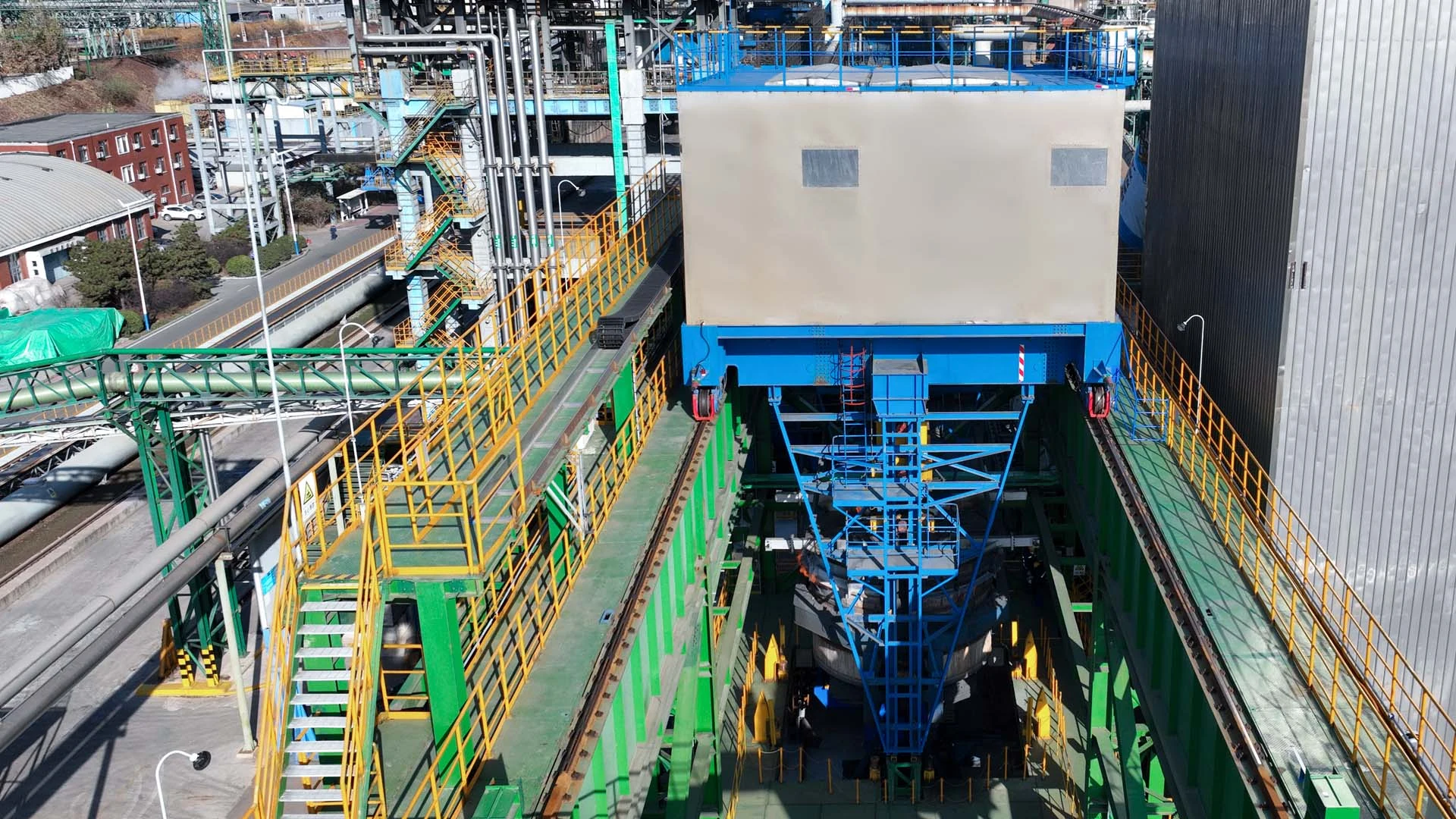
Application reference: Henan Mine Crane Group official application report. Equipment and operating advice for a new project should be specified against your load, process and site.
Start the equipment discussion
Relevant equipment families.
Compare the equipment family with your operating duty. Final attachments, controls and protection follow the application requirements.
Double-girder overhead cranes
Review as an equipment family only after coke-pot loads, interfaces and the process duty are defined.
View equipment options ↗Process-specific lifting attachments
The pot-engagement and release arrangement must match the customer's verified lifting interface.
View equipment options ↗Plan a similar application
Build the specification
around your operation.
For an automated coke-pot handling enquiry, include:
- Maximum gross pot load, centre of gravity and approved lifting-point drawing.
- Pot dimensions, process temperature and locations of significant heat exposure.
- Pick-up and receiving-station geometry, route and required handover alignment.
- Lifting height, runway span, rail level and building clearances.
- Normal cycle, target operating frequency and automatic/manual/recovery responsibilities.
- Remote supervision, alarm information, plant interfaces and acceptance conditions.
Before you specify
Questions for
your project.
Which documents are needed for a coke-pot crane proposal?
Send the pot and lifting-interface drawings, maximum loaded mass, station geometry, bay section and a step-by-step description of the required handling cycle.
How do we define operator responsibilities for automation?
Identify who supervises normal operation, which manual actions are permitted and how a stopped or incomplete sequence is recovered. Include these modes in the acceptance plan.
What determines the anti-sway arrangement?
The pot geometry, lifting interface, travel path, station clearances and placement requirement all matter. The mechanical concept should be reviewed with the motion-control sequence.
Continue exploring
More steel & metallurgy applications.

100+ Crane Package for a Southeast Asian Steelworks
More than 100 mixed cranes serve production, material transfer and a port scrap yard at an unnamed Southeast Asian steelworks. The package combines different crane and attachment arrangements for different loads.
Explore this application
Automated Feeding Cranes for an Ulanqab Ferrochrome Project
Several automated metallurgical cranes were developed for a ferrochrome project in Ulanqab, Inner Mongolia. Remote centralized control coordinates hooking, unhooking and material feeding.
Explore this application
450t Four-Girder Foundry Crane for Molten-Metal Handling
450t four-girder, four-rail foundry equipment was customised for an unnamed steelmaking customer. The documented design combines whole-frame machining, PLC control and lifecycle safety records.
Explore this application


