
Ferrochrome production / In-use application
Automated Feeding Cranes for an Ulanqab Ferrochrome Project
Henan Mine Crane Group developed several automated metallurgical cranes for raw-material feeding at a ferrochrome project in Ulanqab, Inner Mongolia. Now in use, the equipment coordinates hooking, unhooking and hopper feeding through remote centralized control, anti-sway functions and operating-state monitoring.

- Customer application
- Unnamed ferrochrome project in Ulanqab, Inner Mongolia
- Equipment scope
- Several automated metallurgical cranes
- Process
- Raw-material handling and hopper feeding
- Automated sequence
- Hooking, unhooking and feeding
- Position control
- Positioning algorithms and anti-sway
- Reported stage
- Put into use
Define the complete feeding sequence
The Ulanqab project connects raw-material handling with hopper positioning rather than treating each movement as an isolated lift. Several cranes were developed and manufactured for the customer and put into use. The configuration brings material pick-up, transfer and release into one process discussion.
For your plant, map that same sequence from the material presentation point to the receiving station. Show how material becomes available, which lifting interface is used and what confirms that the hopper can receive the next load. These inputs help the engineering team assess where automatic actions fit the process.
Coordinate hooking, release and feeding
Remote intelligent centralized control automatically handles hooking, unhooking and feeding in this application. These actions define a practical automation scope: the crane must engage the load, move it through the route and release it at the correct stage of the process.
A new specification should define the condition that permits each step. Describe how load engagement is checked, how the receiving station signals readiness and how an interrupted task is resumed. Agree the operator's role during normal cycles, manual intervention and recovery so the proposal reflects your intended operating model.
Bring positioning and anti-sway into the handover
The configuration combines hopper location, raw-material picking and transfer with anti-sway functions and a core positioning-algorithm system. The objective is stable movement and controlled placement where the material meets the production process.
Specify the allowable movement at the receiving point and the conditions under which positioning will be assessed. Load range, travel distance and the handover geometry should be part of that definition. Agreeing the actual placement requirement gives the supplier a clearer target than asking for 'high precision' without a location, load or acceptance method.
Make operating-state information useful
Multiple protection functions and real-time monitoring of the crane's operating state support lifecycle management. For a buyer, this links automatic handling to the information operators and maintenance teams use to supervise the equipment.
Identify which operating conditions need to be displayed, which events should be recorded and how alarms are handled. Include access responsibilities and any plant-system interface. The information schedule should be considered alongside the motion sequence so the proposed system supports both routine work and fault review.
Prepare a ferrochrome process enquiry
The equipment is an operating reference for ferrochrome feeding. Wider use of Henan Mine Crane Group cranes in ferrochrome and ferromanganese production provides industry context, while each new process still needs its own material and station requirements.
Send a process sketch and load-interface drawings before selecting a product family. Agree the required cycle and the acceptance demonstration together, including unavailable material, a blocked receiver and recovery from interruption. Rated load, positioning tolerance and feeding rate should be set from your requirement schedule.
Application photographs
See the equipment and working context.
Photographs and accompanying illustrations from this application report. Open an image for a larger view.
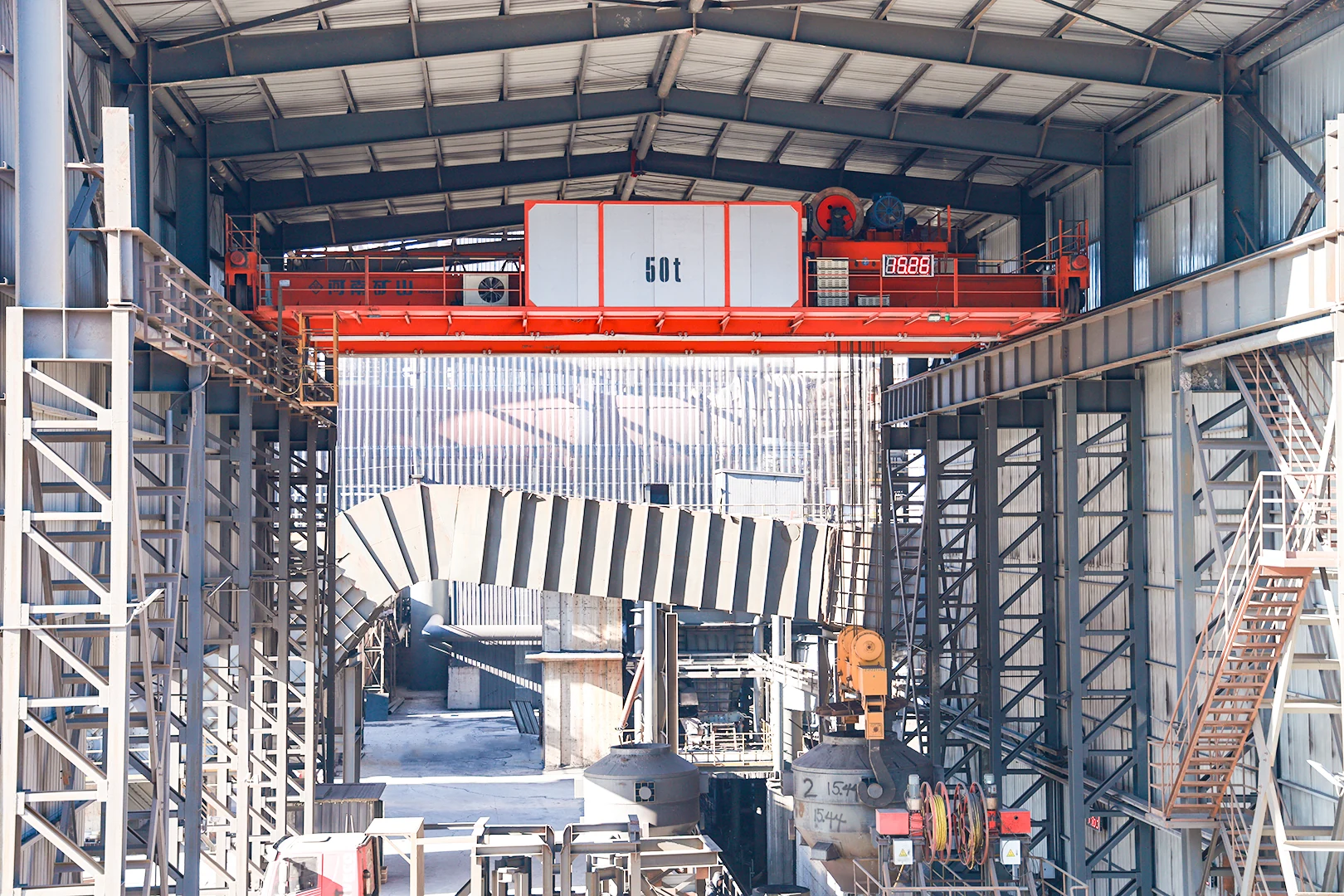
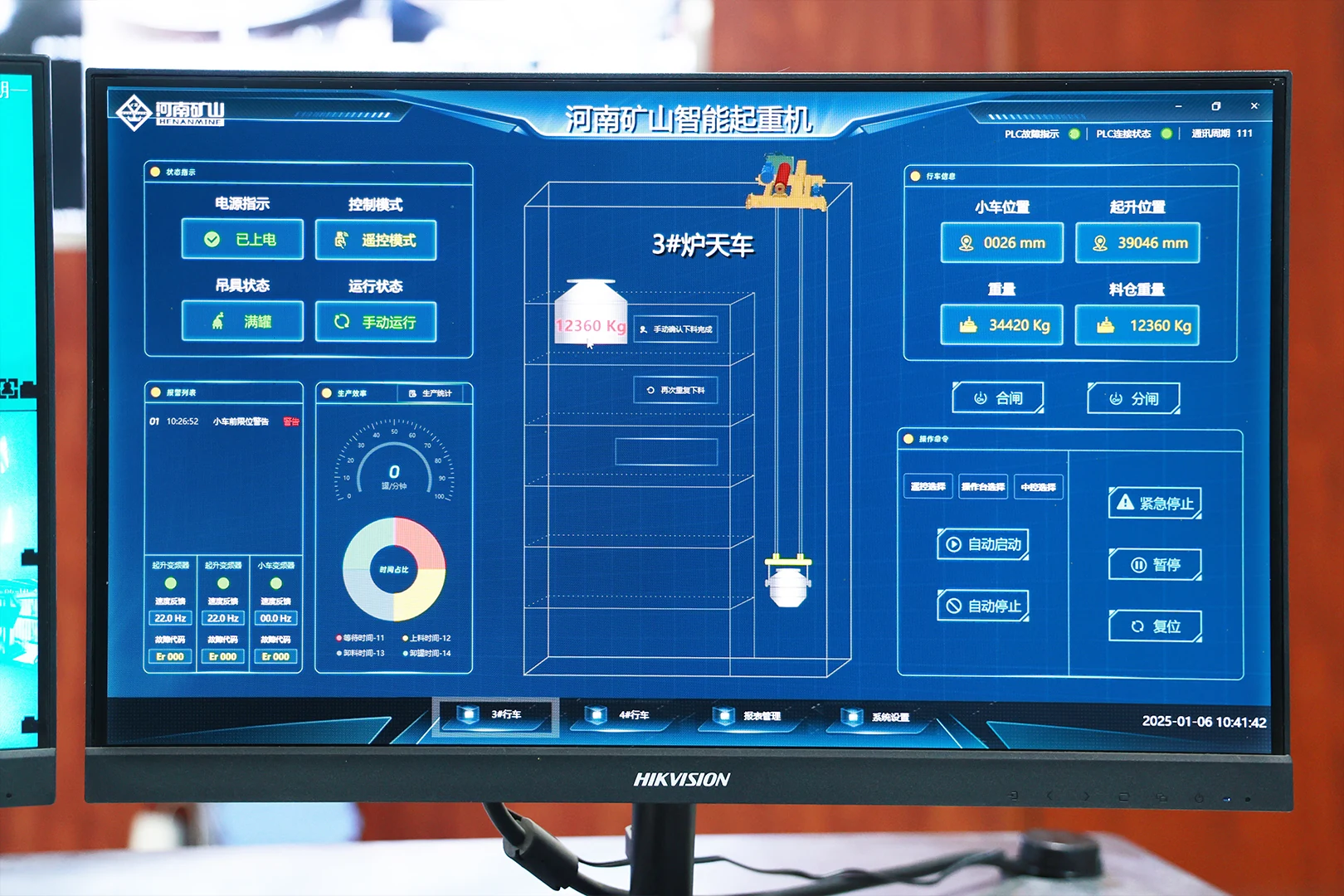
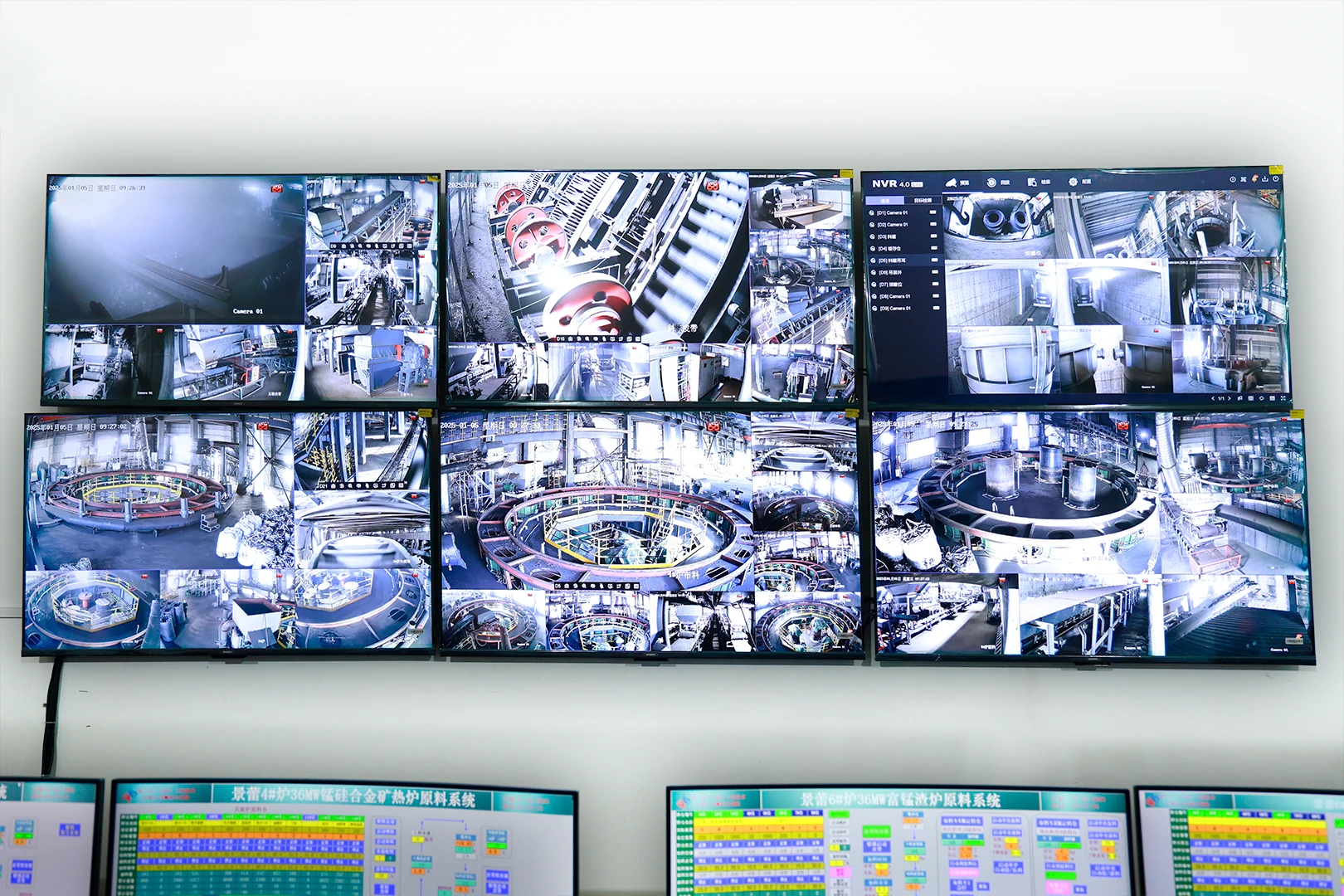
Application reference: Henan Mine Crane Group official application report. Equipment and operating advice for a new project should be specified against your load, process and site.
Start the equipment discussion
Relevant equipment families.
Compare the equipment family with your operating duty. Final attachments, controls and protection follow the application requirements.
Double-girder overhead cranes
Possible structural family to assess after confirming the feeding load, route and attachment.
View equipment options ↗Process lifting attachments
Select only after the pick-up, hook engagement and release interfaces are defined.
View equipment options ↗Plan a similar application
Build the specification
around your operation.
To assess automation for your furnace-material feeding route, provide:
- Raw-material form, bulk properties, load mass and the container or lifting interface.
- Pick-up positions, hopper geometry and the complete feeding sequence.
- Target cycles, material quantities per cycle and allowable interruptions.
- Required positioning tolerance and residual load movement at each handover.
- Plant-control signals, operator stations and the intended normal/manual operating modes.
- Ambient conditions, operating-state records and required acceptance demonstrations.
Before you specify
Questions for
your project.
What is needed to assess automatic hopper feeding?
Provide the material and load interface, pick-up and receiving-station drawings, complete sequence, expected cycle and plant signals available at each stage.
How should I specify positioning performance?
Define where placement is measured, the loaded condition, allowable movement at handover and the acceptance method. Connect the requirement to the real hopper interface.
Can the crane connect to our existing process controls?
Include your signal list, operating modes and interface responsibilities in the enquiry. Integration scope and recovery behavior should be agreed for the proposed system.
Continue exploring
More steel & metallurgy applications.

100+ Crane Package for a Southeast Asian Steelworks
More than 100 mixed cranes serve production, material transfer and a port scrap yard at an unnamed Southeast Asian steelworks. The package combines different crane and attachment arrangements for different loads.
Explore this application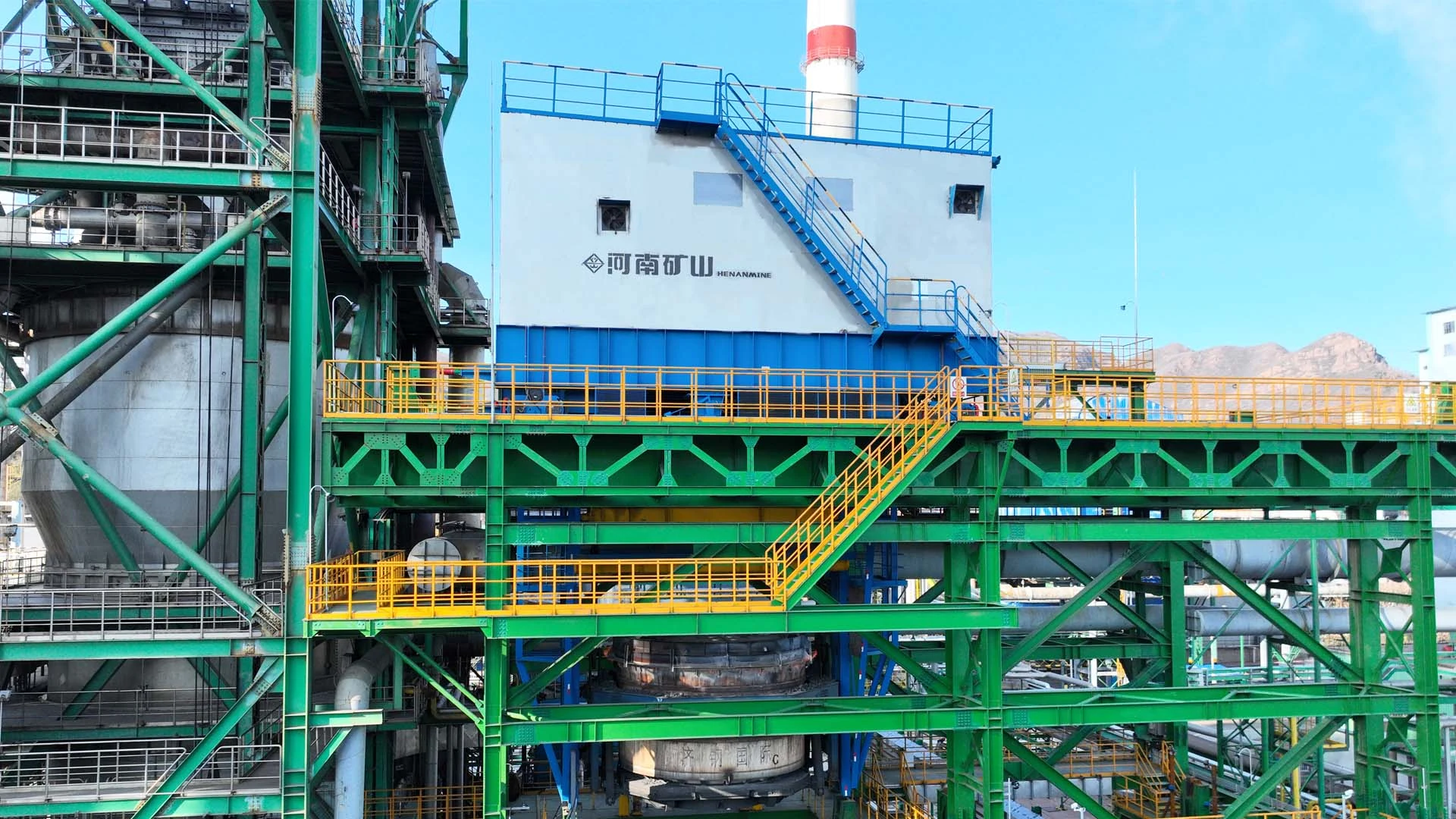
Two Automated Coke-Pot Cranes for a Coking Process
Two automated coke-pot cranes were developed for an unnamed domestic coking customer. The configuration combines variable-frequency motion, remote video and mechanical anti-sway.
Explore this application
450t Four-Girder Foundry Crane for Molten-Metal Handling
450t four-girder, four-rail foundry equipment was customised for an unnamed steelmaking customer. The documented design combines whole-frame machining, PLC control and lifecycle safety records.
Explore this application


